
Teach English in Thailand: Degree, Visa, Salary, First Term
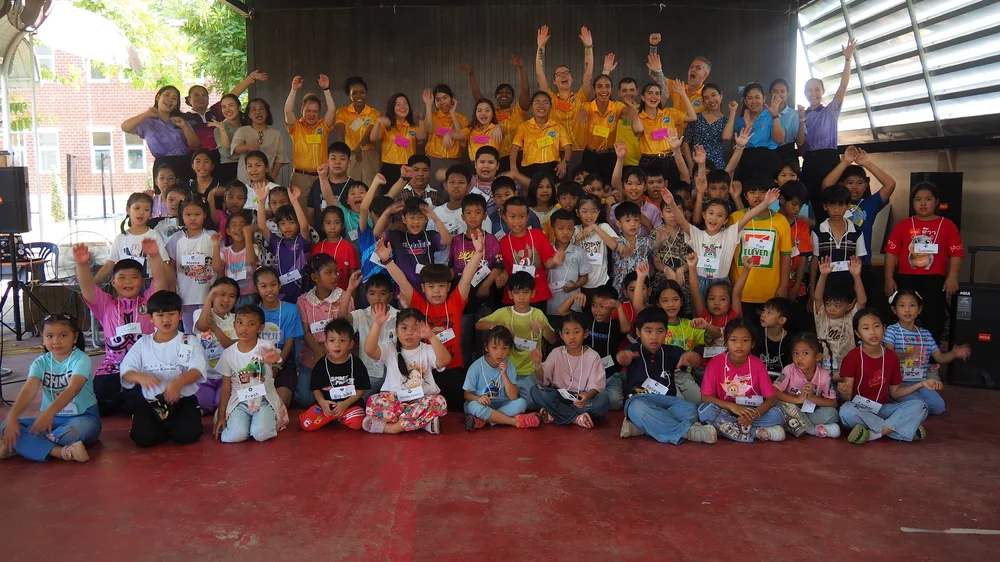
Bachelor’s First. Non-B Next. 30–36k in the Provinces.
I've lived in Thailand for 20 years, and from our office in Ban Lum, Sukhothai, this is what I tell people who want to teach here. Our understanding is that a Bachelor's degree is the baseline, schools like a 120-hour TEFL, and your school sponsors your Non-B visa and files your work permit. Pay varies, and the 30–36k is a typical provincial range. Check the current rules. This is not legal advice.
Our understanding is that a Bachelor's degree is the baseline for the Non-B visa and work permit route into a school job. Schools like a 120-hour TEFL, but that is a school preference, not a rule we know of from Immigration. Your school sponsors your Non-B visa and files your work permit, and KET is a placement agency, not Immigration or the Department of Employment. On our paid jobs in the provinces, pay is typically about 30,000 to 36,000 THB net a month, and it varies. KET charges zero placement fees on paid jobs. Every case is different, so check the current rules with your school. See our Non-B visa guide, our Thai work permit guide and our teaching salary guide.
01: Degree, TEFL and Papers
What schools ask for. Your school gives you its exact list.
"In 20 years placing teachers around Sukhothai, Phitsanulok and the north, I've found that people who sort their papers early have a calm arrival. Keep your original degree safe and unlaminated, and ask for your police clearance early."Matthew John : Co-Founder & Operations Manager, KET
Bachelor's Degree 🎓
Our understanding is that a Bachelor's degree is the baseline for the Non-B visa and work permit route, and it is usually any subject. Your case is your own, and the school, Immigration and the Department of Employment decide. Keep the original unlaminated and ask your university for transcripts. No degree? See our volunteering residencies.
120-Hour TEFL 📜
Most schools like to see a 120-hour TEFL certificate. That is what schools want, not a rule we know of from Immigration. It gives you some classroom training. See our TEFL course.
Police Clearance 👮
Schools normally ask for a police clearance from your home country. Ask your school how recent it must be and whether it needs authentication first. Our degree legalization guide covers papers from home.
02: Non-B Visa and Work Permit
Your school sponsors and files. Check the current steps.
Non-B Visa 🛂
A teaching job needs a Non-B visa through your school. Tourist visas are not for teaching work, so check with your school before you work. See our Non-B visa guide.
School sponsorsWork Permit 📱
Your school files your work permit, usually after you arrive and have a medical check. KET is a placement agency, not the Department of Employment, and we do not file it for you. See our Thai work permit guide.
School filesTeaching Licence 📋
Teachers' Council licensing is a separate matter, and your school tells you what applies to you. Do not assume a waiver. See our teachers license guide.
Ask your school03: Pay Range and Costs
Typical, varies, and worth checking the week you decide.
💵 The 30–36k Range
On our paid jobs in the provinces, teachers typically earn about 30,000 to 36,000 THB net a month. That is a typical range, not a promise. It varies by school and place, so check the current figure with us before you decide. Schools elsewhere, including Bangkok, pay differently.
In towns like Sukhothai, Phitsanulok and Lampang, rent and market food are lower than in Bangkok. See our teaching salary guide for more.
| Where | Typical Net Pay | Placement Fee | Notes |
|---|---|---|---|
| KET paid jobs in the provinces | About 30,000 to 36,000 THB a month (typical, varies) | Zero placement fee (KET policy) | Lower rents and market food in provincial towns. |
| Other schools and Bangkok | Varies by school | Ask each employer | See the salary guide, and check the current figures. |
* Zero placement fees is KET's own policy on our paid jobs. It says nothing about other agencies. Pay figures are typical, not guaranteed.
Studio Rent 🏠
In regional school towns, a furnished studio often costs roughly 3,500 to 6,000 THB a month. It varies by town, so ask.
Food 🍜
A meal at a local morning market or family stall is often around 40 to 60 THB. Prices vary by town.
04: Sukhothai Orientation and Dress
A start with people, before you meet your school.
Sukhothai Orientation 🏛️
New KET teachers start with an orientation in Sukhothai. We cover classroom practice, lesson planning, a few Thai phrases, motorbike safety and coaching for your intro video. See our training program.
KET orientationDress Modestly 👔
Teachers are respected in Thai schools, and dress is neat and modest. Men usually wear a collared shirt, trousers and closed shoes. Women usually cover shoulders and wear a skirt or dress to the knee or longer. Your school will tell you what it expects. See our teacher dress code guide.
Non-Native Speakers 🌏
Some schools do hire non-native speakers who have a Bachelor's degree and clear English. It is case by case, and each school decides. Some ask for a TOEIC or IELTS score. See our non-native teachers guide.
05: Four Steps to a Paid Job
In order, and case-specific.
🛠️ How to Get a Paid Teaching Job in Thailand
-
Gather Your Papers
Get your original Bachelor's degree (do not laminate it), your transcripts and a police clearance from home. Ask your school for its exact list.
-
Get a 120-Hour TEFL
Most schools like to see a 120-hour TEFL certificate. It is a school preference, not a rule we know of from Immigration.
-
Apply for a Paid School Job
Apply for a paid school job. KET charges zero placement fees on paid jobs. The school decides who it hires.
-
Non-B Visa and Work Permit Through Your School
Your school sponsors your Non-B visa and files your work permit. Check the current rules with your school and the Department of Employment.
Short video for your application? See our intro video guide. Ready to apply? Start your application.
Teaching in Thailand Questions
Can I teach in Thailand without a Bachelor's degree?
Our understanding is that a Bachelor's degree is the baseline for the Non-B visa and work permit route for a school job. It is usually any subject, but your case is your own. The school, Immigration and the Department of Employment decide, so check the current rules. If you have no degree, ask us about volunteering instead.
Is a 120-hour TEFL certificate required?
It is a school preference, not something we know of as a separate legal rule. Most schools like to see a 120-hour TEFL when they hire, because it shows you have some classroom training. Your school decides what it wants.
What salary can I expect?
On our paid jobs in the provinces, teachers typically earn about 30,000 to 36,000 THB net a month. That is a typical range, it varies by school and place, and you should check the current figure with us before you decide. Other schools pay differently. See our salary guide.
Can non-native English speakers teach in Thailand?
Some schools do hire non-native speakers who have a Bachelor's degree and clear English. It is case by case, and each school decides. Some ask for a test score such as TOEIC or IELTS.
How do the Non-B visa and work permit work?
Your school sponsors your Non-B visa, and your school files your work permit. KET is a placement agency, not Immigration or the Department of Employment, and we do not file it for you. Check the current steps with your school.
What should I wear to teach in a Thai school?
Modest and neat. Men usually wear a collared shirt, trousers and closed shoes. Women usually cover shoulders and wear a skirt or dress to the knee or longer. Your school will tell you what it expects.
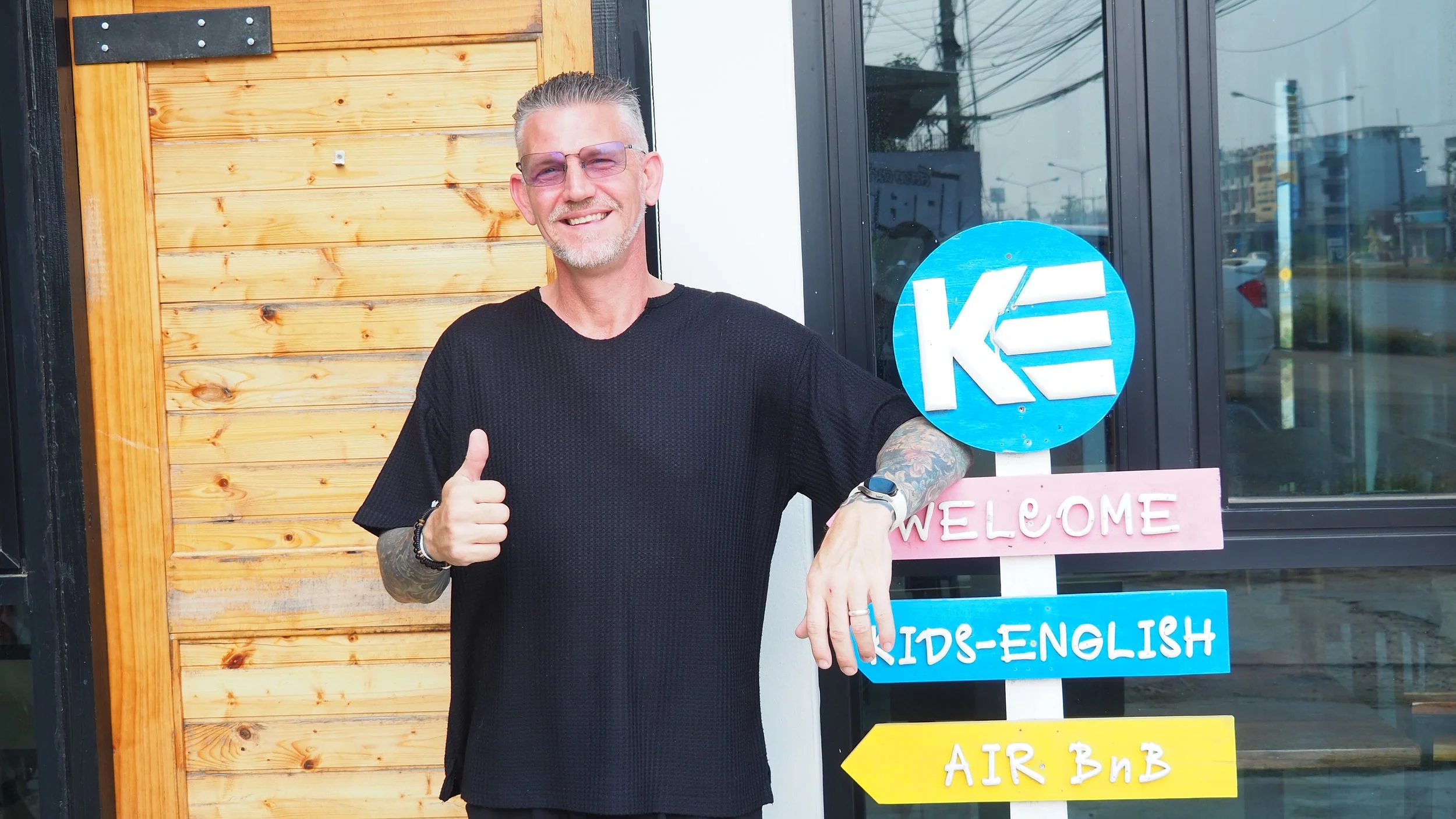
Matthew John
Co-Founder & Operations ManagerI'm Matthew, co-founder of Kids English Thailand. I've lived in Thailand for 20 years and work from our office in Ban Lum, Sukhothai. Since 2009 we have placed over 1,500 teachers in Thai schools, and I still learn something from my Thai colleagues every year.
