
Exploring Thai Culture: Top 20 Traditions You Should Know
Exploring Thai Culture: Top 20 Traditions You Should Know 🇹🇭
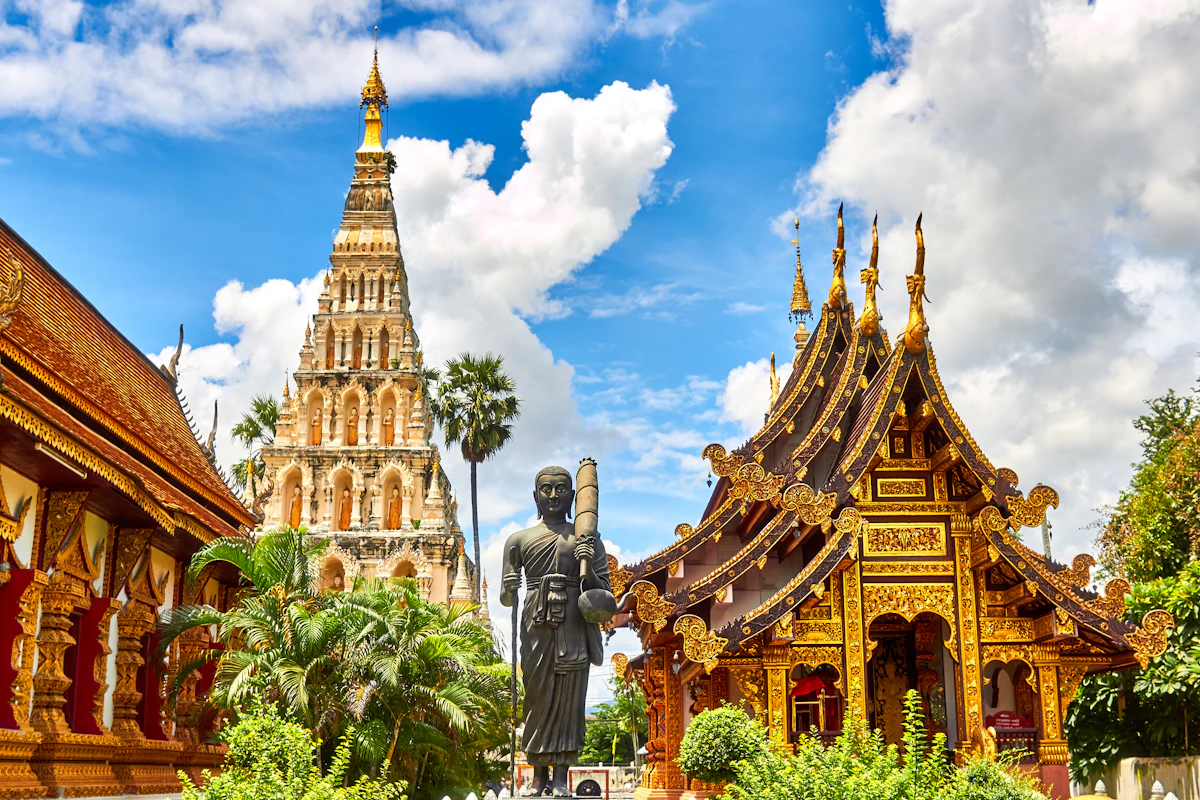
Thai culture is a vibrant, living tapestry woven from centuries of Theravada Buddhist ethics, royal heritage, agricultural rhythms, and deep community warmth. For foreign educators joining Kids English Thailand, understanding these customs is the single most powerful key to building trust with students, co-teachers, and local communities.
Understanding Thai social etiquette and cultural traditions is essential for foreign teachers. Core values center on the Wai greeting, respect for seniority, avoiding confrontation (saving face / Jai Yen), and embracing Sanuk (joyful learning). Classroom rituals include Wai Kru Day, morning flag raising, conservative attire, and removing shoes. Mindful awareness of Buddhist taboos (never touching heads, never pointing feet) and participating in festivals like Songkran and Loy Krathong helps educators build lifelong relationships in Thailand.
01: Why Cultural Intelligence Matters for Educators
The bridge between foreign teachers and supportive, high-performing Thai classrooms.
"In 20 years of supporting foreign teachers across Thailand, I've seen that success in the classroom isn't just about flawless grammar or lesson plans: it's all about cultural fluency. When you respect the Wai, honor local elders, and handle challenges with a cool heart ('Jai Yen'), Thai students and co-teachers will open their hearts to you completely."Matthew John : KET Operations Manager & 20-Year Veteran
Rapport with Co-Teachers 🤝
Thai schools operate on strong relational foundations. Understanding local customs allows foreign educators to collaborate smoothly with Thai department heads, administrators, and support staff.
Creating a Safe Environment 🏫
Thai students thrive in encouraging, joyful environments where dignity is preserved. Cultural awareness prevents accidental embarrassment and encourages active participation.
Life Outside the Classroom 🌿
Participating in village merit-making, temple festivals, and market gatherings turns a teaching contract into a life-changing cultural immersion experience.
02: Core Social Customs in Thai Society
The four fundamental behavioral pillars that govern daily interactions across the Kingdom.
1. The Wai Greeting (การไหว้)
Pressing palms together at chest level with a slight bow. The Wai expresses greeting, gratitude, and apology. Heights vary: thumbs touch chest for peers, nose tip for elders/teachers, and forehead for monks and royalty.
2. Respect for Seniority (Kru / Ajarn)
Thai society operates on clear age and position hierarchy. Address senior colleagues using "Ajarn" (professor) or "Phii" (older brother/sister), while younger peers are called "Nong".
3. Saving Face & Cool Heart (Jai Yen)
Preserving dignity (*Mai Hai Sia Na*) is vital. Public confrontation, shouting, or anger is viewed as a loss of self-control. Always handle disputes with a calm, smiling, "cool-hearted" (*Jai Yen*) approach.
4. Smiling as a Social Tool
In Thailand, a smile isn't just happiness; it diffuses awkwardness, apologizes for small mistakes, eases tension, and shows politeness. Embracing this habit makes daily interactions effortless.

03: Essential Classroom Traditions (5 to 8)
Daily and annual rituals that shape student discipline and campus culture.
🌺 5. Wai Kru Day Ceremony (วันไหว้ครู)
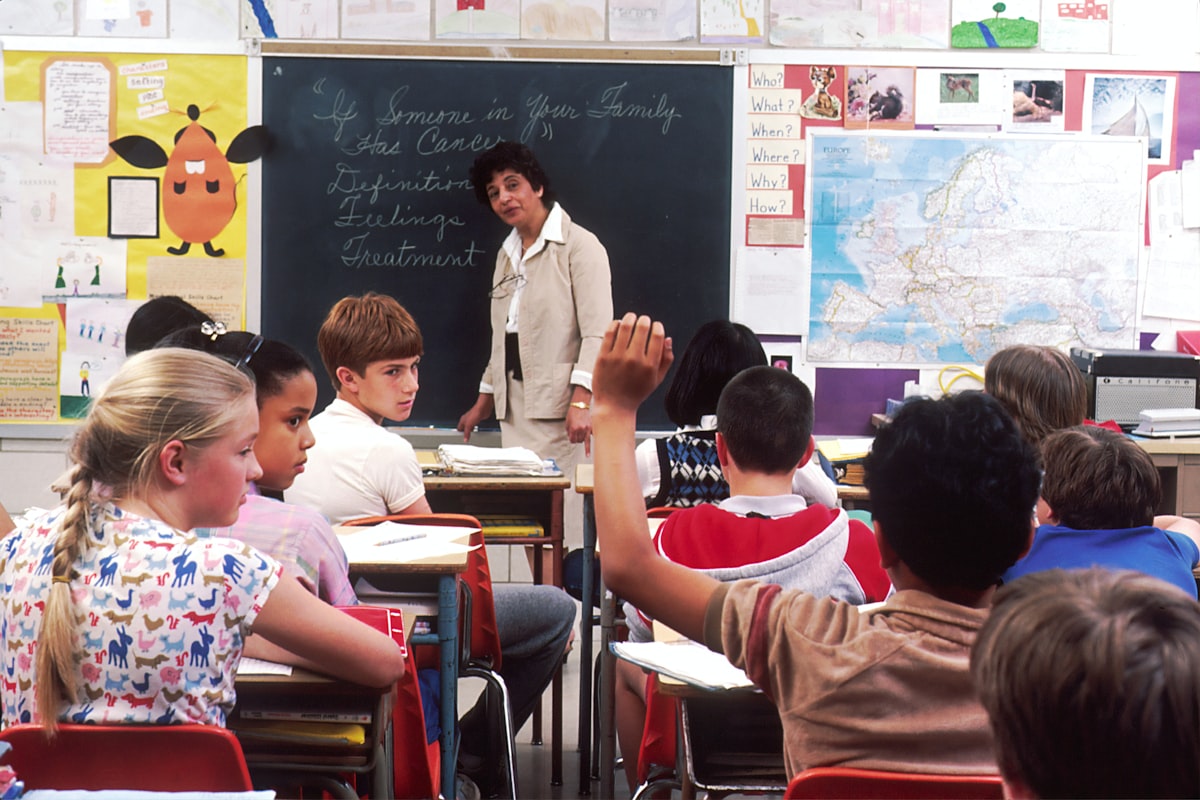
Held annually in June or September, Wai Kru Day is a moving ceremony where students present elaborate flower arrangements (*Phan Wai Kru*) to teachers, chanting formal prayers of reverence to honor the sacred gift of education.
Timing: Early June / September🇹🇭 6. Morning National Flag Ceremony
At 8:00 AM every school day, students line up in orderly rows in the courtyard for the national anthem (*Phleng Chat Thai*), raising of the tricolor flag, morning prayers, and brief administrative announcements.
Requirement: Stand respectfully at attention👔 7. Conservative Attire & Modesty
Teachers are role models in Thai society. Male educators wear collared dress shirts, trousers, and leather shoes. Female educators wear skirts below the knee and blouses covering shoulders.
Standard: Clean, tailored, professional👟 8. Removing Shoes Indoors
Removing footwear before stepping into classrooms, computer labs, staff rooms, or homes keeps learning areas spotless and shows respect for the interior space.
Protocol: Leave shoes in tidy shoe racks04: Buddhist Influences & Sacred Taboos (9 to 11)
How Theravada Buddhism shapes ethics, bodily taboos, and school calendar holidays.
9. Mindfulness (Sati) & Compassion
Practiced by over 90% of the population, Buddhism encourages mindfulness (*Sati*) and compassion (*Karuna*). Many Thai schools begin lessons with a 1-minute silent meditation to settle energetic students.
10. Head & Feet Taboos
The head is spiritually the highest, most sacred part of the body, so you should never touch a student's or adult's head. Feet are considered the lowest and dirtiest part, meaning you must never point your feet or soles at people, monks, or Buddha statues.
11. Observing Buddhist Holidays
Major lunar holidays like Asalha Puja, Khao Phansa (Buddhist Lent), Makha Bucha, and Visakha Bucha bring school closures, temple alms-giving (*Tak Bat*), and candlelight processions (*Wian Tian*).

05: Vibrant Thai Festivals (12 to 15)
Unforgettable celebrations that bond teachers with their local villages and regions.
12. Songkran (Thai New Year)
Celebrated in mid-April during the dry hot season, Songkran features nationwide water throwing symbolizing spiritual cleansing, washing away bad luck, and paying gentle respect to elders.
13. Loy Krathong Festival
On November's full moon, Thais float decorated banana-stem rafts (*Krathongs*) carrying candles and flowers onto rivers to apologize to the water goddess *Phra Mae Khongkha* and release negativity.
14. Yi Peng Sky Lanterns
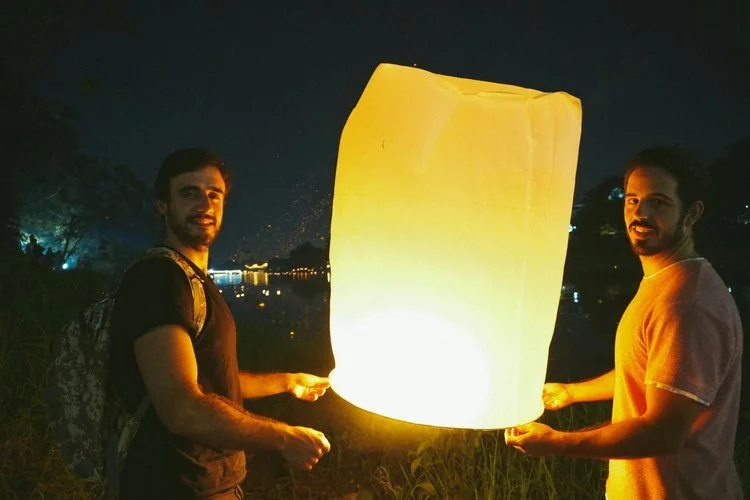
Coinciding with Loy Krathong in Northern Thailand (especially Chiang Mai), thousands of glowing rice-paper lanterns (*Khom Loi*) are released into the night sky, carrying away worries.
15. Rocket Festival (Bun Bang Fai)
Famous in Northeastern Thailand (Isan) in May, villagers launch massive bamboo rockets into the sky to ask the rain god *Phaya Thaen* for abundant monsoon rains for the rice planting season.
06: Social & Classroom Etiquette (16 to 18)
Navigating discipline, modesty, and classroom atmosphere with grace.
16. Gentle Correction of Mistakes
Never harsh or aggressive! Correct student mistakes gently and privately when possible. Public humiliation causes students to shut down completely due to loss of face.
17. Avoiding Public Displays of Affection
Traditional Thai culture values physical modesty in public spaces. Romantic displays of affection are inappropriate on school grounds and frowned upon in rural communities.
18. Embracing Sanuk (Fun & Positivity)
Sanuk (ความสนุก) is the Thai philosophy that work and learning should be inherently enjoyable! Incorporate educational games, light humor, and songs to keep lessons lively.
07: Language, Community & Cuisine (19 to 20)
Everyday keys to deep, authentic integration into Thai life.
🗣️ 19. Everyday Thai Language Phrases
Learning basic Thai shows immense respect. Start with "Sawasdee khrap/kha" (Hello), "Khob khun khrap/kha" (Thank you), "Mai pen rai" (No worries/It's okay), and "Aroi mak" (Delicious!).
Key: Gender polite particles (Khrap for men, Kha for women)🏡 20. Local Community Engagement
Attend local village sports days, morning markets, and school fair events. Joining community activities transforms a teaching assignment into a deep, lifelong cultural connection.
Outcome: Genuine Thai hospitality & lifelong friendships🍲 Bonus: Experiencing Thai Culinary Culture
Food is Thailand's universal love language! Meals are shared family-style rather than individual single plates. Dishes like Pad Thai, spicy Tom Yum Goong, green papaya salad (Som Tam), and Mango Sticky Rice brings people together. Remember: forks are used to push food onto the spoon, which goes into the mouth!

Essential Candidate App Toolkit.
Utilities for immediate mobile translation, local messaging, and currency conversion.
Frequently Asked Questions.
01. Why is understanding Thai culture important for foreign teachers?
Mastering Thai cultural norms builds instant trust with students, co-teachers, and school administrators, creating a harmonious and supportive classroom environment.
02. How does the Wai greeting enhance professional relationships?
The Wai signals respect, humility, and friendliness. Using it correctly according to Thai social hierarchy strengthens interpersonal connections across the school community.
03. What role do Thai festivals play in education?
Festivals like Wai Kru Day, Loy Krathong, and Songkran unite teachers, students, and parents through shared cultural rituals, deepening mutual appreciation and community ties.
04. Why is conservative attire required in Thai schools?
Modest clothing reflects Thai cultural modesty and maintains professional respect in educational settings. Covered shoulders and knee-length skirts or trousers are standard expectations.
05. How does Buddhism influence daily Thai education?
Buddhist principles such as mindfulness (Sati), compassion (Karuna), and emotional composure (Jai Yen) guide school interactions, encouraging calm conflict resolution and respect.
06. What is the concept of saving face in Thai classrooms?
Saving face (Mai Hai Sia Na) means avoiding public embarrassment. Teachers should correct student errors quietly and privately rather than singling them out in front of peers.
07. Why are shoes removed before entering Thai classrooms?
Removing shoes is a custom rooted in physical cleanliness and spiritual respect, separating the dirt of the outside world from indoor learning and living spaces.
08. What is the cultural significance of Wai Kru Day?
Held in June or September, Wai Kru Day allows students to express formal gratitude to their teachers through flower offerings, chants, and bowings, reinforcing the sacred teacher-student bond.
09. How should foreign teachers handle taboos regarding the head and feet?
Never touch a student's head (considered the highest, most sacred part of the body) and never point your feet at people or Buddha images (feet are considered the lowest part).
10. How does learning basic Thai phrases improve the teaching experience?
Using everyday Thai phrases like 'Sawasdee' and 'Khob khun' demonstrates genuine respect for local heritage, breaking down cultural barriers and making teaching infinitely more rewarding.
Matthew John
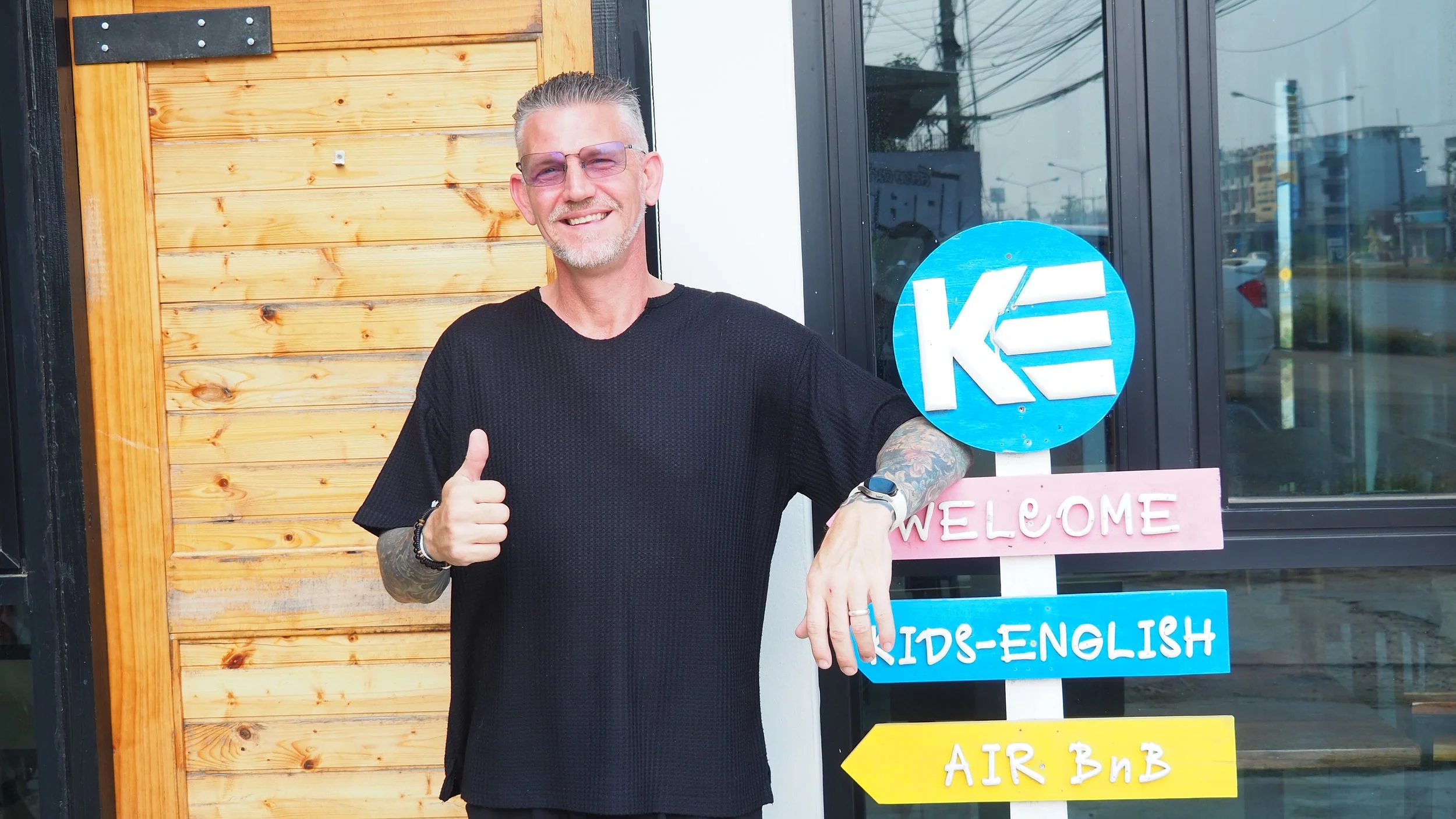
Co-Founder & Operations Manager : 20-Year VeteranMatthew John is the co-founder of Kids English Thailand (KET) and a distinguished authority in Thai educational management with 20+ years of on-the-ground experience. Matthew and KET have successfully led over 1,500 teachers through Non-B Visas, Digital Work Permits, and cultural relocation success.
