
Chinese New Year in Thailand (Trut Chin): School Day, Not a Public Holiday
Not a Bank Holiday.
Red Shirt If the School Asks
Sawasdee from Ban Lum. Trut Chin is Chinese New Year in Thailand. Offices stay open. Many Thai-Chinese shops close. Schools often pick one red-shirt morning. 2026 is the Horse, mid-February — confirm the exact day with your director. Yaowarat is loud. Wear red. Eat the long noodles.
Thai-Chinese Traditions: Centuries of Cultural Fusion
How maritime trade, royal history, and community integration shaped Thailand's vibrant lunar celebrations.
"Over 20 years living in Sukhothai and coordinating teachers across Thailand, I have seen how deeply Thai-Chinese traditions are woven into community life. Trut Chin is not an isolated ethnic holiday: it is a shared celebration of family respect, gratitude, and good wishes that fills school corridors and local markets with joyful energy."Matthew John : KET Operations Manager & 20-Year Veteran
Centuries of Maritime Trade
Chinese merchants and craftspeople from Fujian, Guangdong, and Hainan established trading ties with Siam over centuries, navigating wooden junks along the Chao Phraya and coastal ports. Many families integrated closely with local communities, building commercial networks that shape modern Thailand.
Pay, Worship, and Travel
Celebrations follow three traditional phases: Wan Chai (Shopping Day, when families buy offerings and fruits), Wan Wai (Worship Day, dedicated to honoring ancestors and household deities), and Wan Thiao (New Year's Day, when families dress in new clothes, share meals, and exchange well wishes).
Year of the Horse
The lunar calendar enters the Year of the Horse in mid-February 2026. In traditional lore, the horse symbolizes vitality, forward motion, and resilience. Shrines and markets across the Kingdom incorporate horse motifs alongside traditional lion and dragon figures.
School Celebrations: Red Shirts & Classroom Activities
How Thai primary and secondary schools celebrate Chinese New Year during regular school weeks.
Red Shirt Days (Sua Daeng)
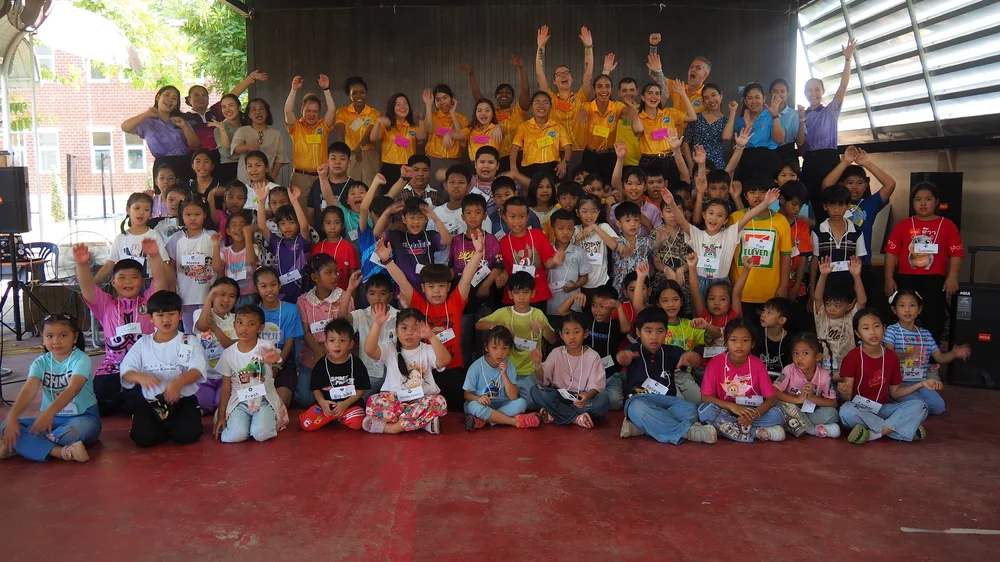
Many schools designate a special day when teachers and students wear red or gold shirts instead of their standard school uniforms. Foreign educators are warmly encouraged to join in by wearing a neat red collared shirt or blouse to share in the festive spirit.
Morning Assembly Shows
Morning flag ceremonies often incorporate cultural performances: student drum troupes, traditional fan dances, and energetic lion dances performed across the courtyard. Thai co-teachers coordinate the program, and foreign faculty can enjoy the festivities alongside their classes.
Creative Language Crafts
English classes offer great opportunities for cross-cultural discussion: crafting paper lanterns, comparing New Year greetings around the world, or writing simple holiday wishes in English. For more cultural context, explore our guide on understanding Thai culture.
School Calendar Notice
Because Chinese New Year is not an official public holiday across Thailand, schools typically remain open. However, specific schedules vary: some schools plan half-day activity schedules, while family-owned private schools may schedule an administrative day off. Always check your specific school calendar in advance before planning personal weekend trips.
Regional Festival Hubs: Where to Experience Trut Chin
Across Thailand, several historic towns and neighborhoods are famous for their lively celebrations.
| Regional Hub | Cultural Highlight | Practical Teacher Advice |
|---|---|---|
| Bangkok: Yaowarat (Chinatown) | Grand Street Light-Ups & Food Stalls | Yaowarat Road transforms with overhead lantern displays, street food carts, and temple visits to Wat Mangkon Kamalawat. Use the MRT (Wat Mangkon Station) to bypass heavy street traffic, and check city announcements for lighting hours. |
| Nakhon Sawan: Pak Nam Pho | Multi-Day Dragon & Deity Procession | Famous for its multi-day festival honoring Chao Por-Chao Mae Pak Nam Pho, featuring acrobatic dragon troupes climbing tall bamboo poles, lion dances, and night processions along the river. |
| Phuket: Phuket Old Town | Baba Peranakan Heritage | Red lanterns illuminate the historic Sino-Portuguese shophouses along Thalang and Dibuk roads. Local families celebrate their unique Baba Peranakan culinary and cultural heritage with quiet evening strolls and street fare. |
| Songkhla: Hat Yai | Southern Cultural Exchange | Hat Yai city center hosts popular lantern displays, night markets, and stage performances that draw cross-border visitors from neighboring Malaysia and Singapore. |
Event Schedules Shift Annually
Specific dates, illumination hours, and fireworks programs are organized by municipal offices and the Tourism Authority of Thailand (TAT) each season. If you plan to travel on a weekend during the festival window, confirm local city schedules and book train or bus tickets well in advance. Explore other major Thai events in our guide to festivals in Thailand.
Auspicious Foods: Symbolism at the Table
Traditional dishes carry warm symbolic wishes for good health, abundance, and progress.
Steamed Whole Fish
In Chinese tradition, the word for fish sounds like "surplus" or "abundance." Serving a whole fish from head to tail represents a complete and plentiful year from beginning to end.
Longevity Noodles (Mee Sua)
Long wheat noodles are tossed in broths or stir-fried. The unbroken length of the noodles symbolizes a long, healthy life and enduring family relationships.
Sticky Rice Cakes (Nian Gao)
Known locally as khanom kheng in Thai markets. Its name sounds like "year higher," expressing sweet wishes for steady personal and professional growth.
Dumplings & Mandarins
Dumplings (jiaozi) resemble traditional ingots representing wealth, while bright orange mandarins are gifted between friends and colleagues to share wishes of prosperity.
Practical Etiquette for Foreign Teachers:
Cultural traditions often emphasize entering the new year with a fresh start: cleaning apartments before the holiday, wearing cheerful clothes, and avoiding harsh arguments. For foreign educators, there is no need to worry about strict superstitions: simply approach the season with kind intentions, enjoy shared snacks in the staff room, and celebrate the joyful atmosphere with your students and colleagues.
Carry modest cash for street food stalls in market areas, as smaller family carts may not operate digital card machines. For long-term visa planning, keep in mind that official immigration procedures remain active during festival weeks; review our complete Thailand teacher visa guide to maintain legal stay requirements smoothly.
Chinese New Year in Thailand FAQs
Clear answers to common questions about Trut Chin celebrations across the Kingdom.
Is Chinese New Year an official nationwide public holiday in Thailand?
When does Chinese New Year occur in 2026?
How do Thai schools celebrate Chinese New Year?
Where are the major regional festival hubs in Thailand?
What colors and clothing are customary during the festival?
What foods are traditionally eaten during Chinese New Year in Thailand?
Looking ahead on the cultural calendar? Check the official religious calendar each year for sacred Buddhist dates such as Makha Bucha or explore our complete guide on Asalha Puja and Buddhist Lent.
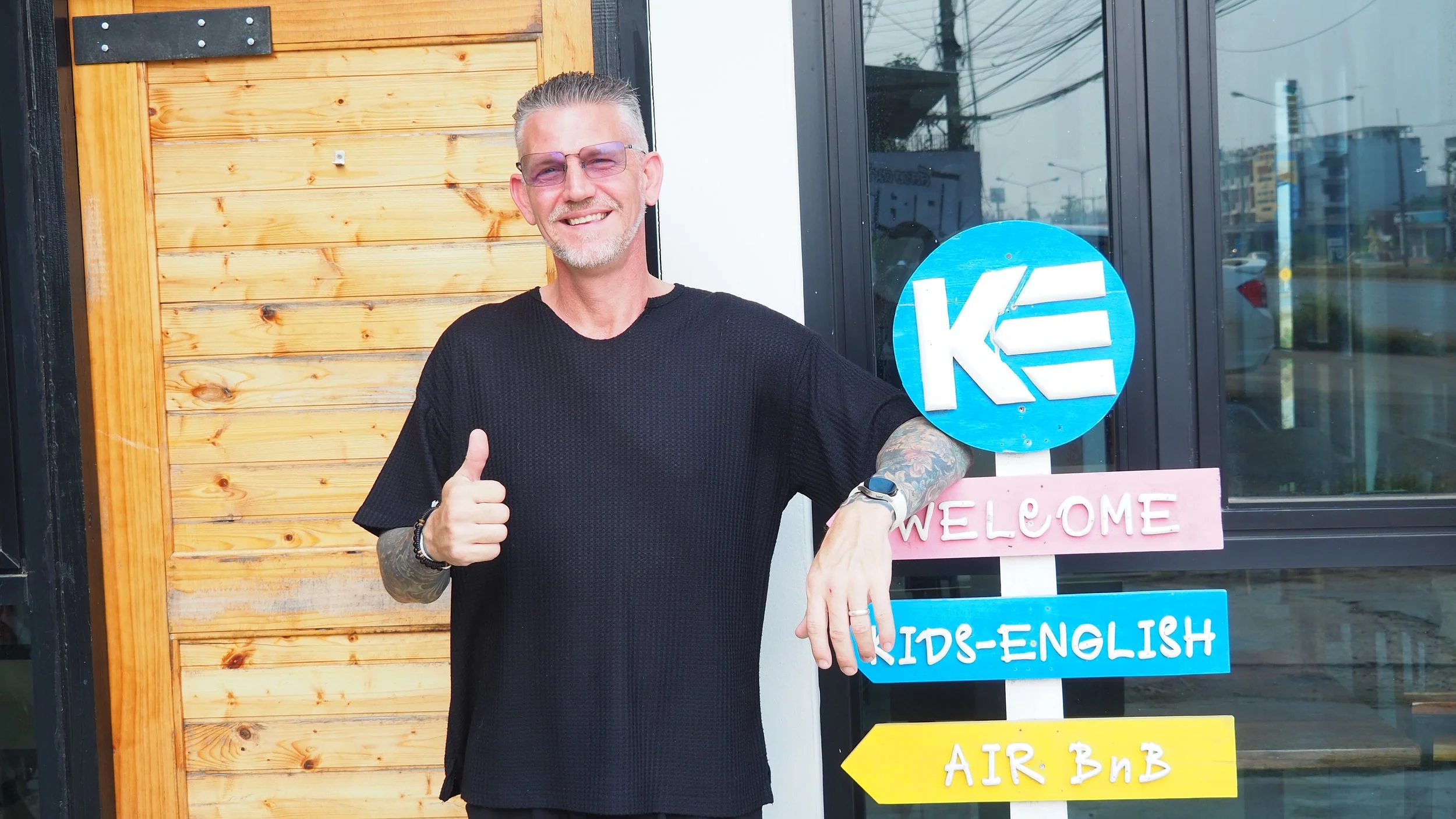
Written by Matthew John
Co-Founder & Operations Manager : 20 Years in ThailandMatthew John is the co-founder of Kids English Thailand (KET) and has spent 20 years guiding foreign educators through school placements, legal Non-B visas, and cultural integration across Northern Thailand. He lives in Sukhothai with his family.
