
ESL Games for Thai Kindergarten (Anuban): 5–10 Minute Activities
Model First. Soft Props.
Sit After You Run
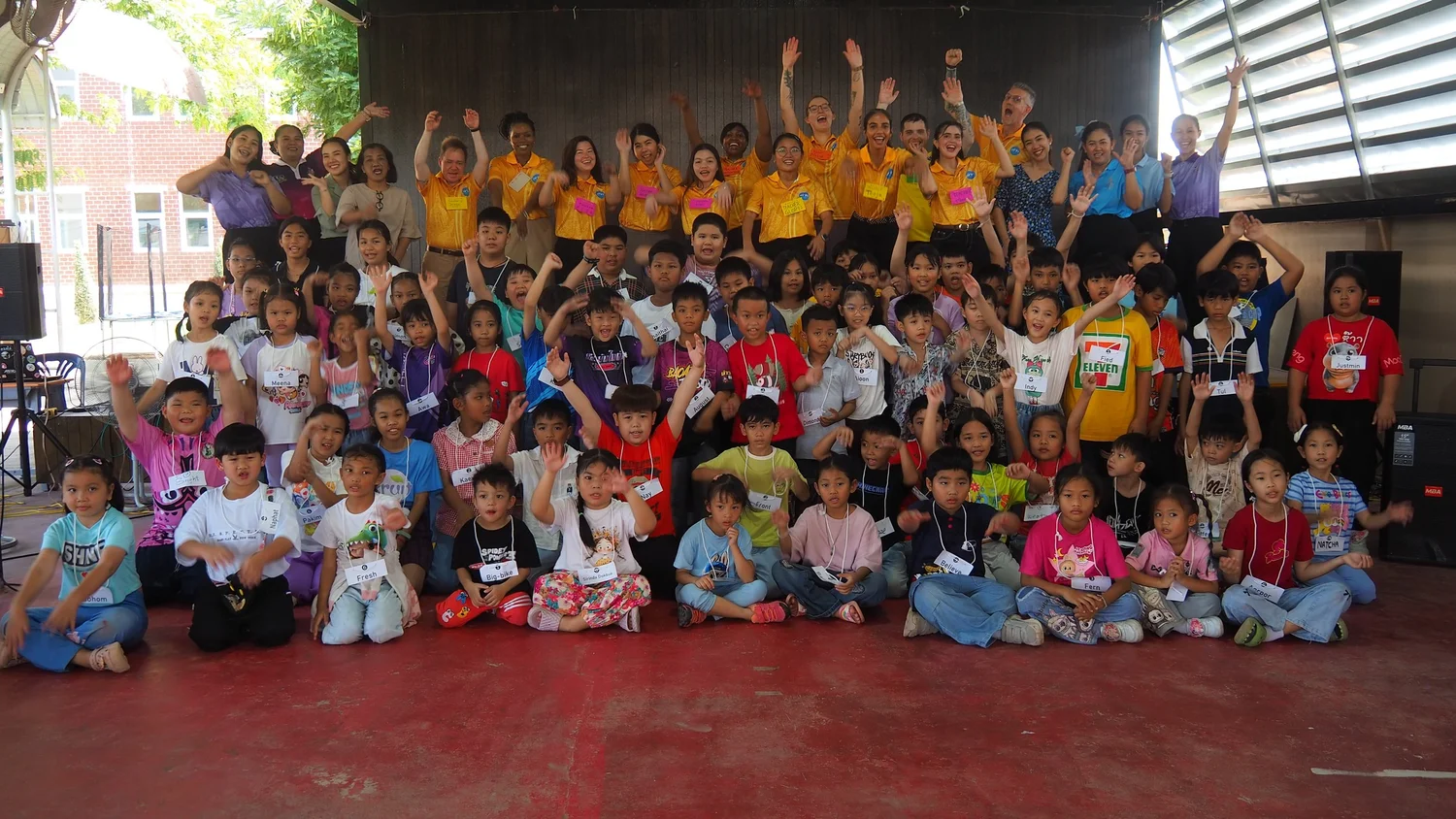
I've lived in Thailand for 20 years, and from our office in Ban Lum I tell new kindergarten teachers the same thing: show the game before you explain it, use soft props, and sit the children down after they run. Keep each game to 5 to 10 minutes, and plan it with your kruu pracham chan.
01: Why Games Work Here
Short, physical and low pressure.
"In 20 years here, the best kindergarten lessons I've seen were short and simple. The teacher showed the game, the kids copied, and the co-teacher smiled from the side. Nobody sat through a long explanation."Matthew John : Co-Founder & Operations Manager, KET
Moving Helps
Little kids often learn a word better when they touch, point, or walk to it. Keep the actions small and safe. More ideas in Creative Play and Vocabulary Skills.
Easier for Shy Kids
Group games and choral repetition mean no child has to speak alone. Let them join in at their own pace without loss of face.
Pictures and Real Things
Big picture cards and real objects (realia), like plastic fruit or toy animals, give kids something concrete to point at. More in Online Resources and ESL Games.
02: Moving Games: Colors and Actions
Model first. Then join in. Then sit.
Simon Says
Use simple body actions: "Simon says touch your knees." Model every action yourself. Sometimes omit "Simon says" so children listen closely. Keep the movements calm.
Color Hunt
Call out a color: "Touch something blue!" Children walk to touch a blue item. Enforce walking rather than sprinting near tables and sharp corners.
Pass the Soft Toy
Sit in a circle and pass a plush toy while music plays. When the music stops, the child holding the toy names the flashcard you reveal. Use soft toys only.
Flashcard Touch
Place four to six large cards on the floor or a low table. Ask: "Who can touch the elephant?" A child gently touches it, the whole room repeats the word, and you offer a high-five.
03: Sitting Games: Sounds and Memory
Ideal resets immediately after an active movement game.
I Spy: First Sound
Say: "I spy something that starts with /b/." Hold up two items, like a book and a pen, and let the children choose. Practice pronouncing the isolated initial phoneme together.
What's Missing?
Display four or five flashcards on the board or floor. Have the children cover their eyes. Remove one card, then ask: "What's missing?" The whole class chants the missing target word.
Pass the Picture
Pass a flashcard down each row. Each child softly whispers the word as it reaches them. Group whisper chains allow shy learners to practice without feeling scrutinized.
Gentle Card Touch
Spread cards across a low table or mat. Announce a vocabulary item and have two volunteers point to the matching card. Insist on gentle taps rather than aggressive slaps.
Thai Kindergarten Levels & Play Styles
Tailor your game pacing and instructions to each developmental tier.
| Kindergarten Tier | Typical Age | Game Duration | Instruction Style & Focus |
|---|---|---|---|
| Anuban 1 (อนุบาล ๑) | 3–4 Years | 3–5 Minutes | Single-word actions, large realia, sensory songs, hand puppets. Avoid formal competition. |
| Anuban 2 (อนุบาล ๒) | 4–5 Years | 5–8 Minutes | Simple 2-word commands, color hunts, sorting objects by size/type, guided choral repetition. |
| Anuban 3 (อนุบาล ๓) | 5–6 Years | 8–10 Minutes | Initial phonics sounds, Simon Says, gentle team board relays, short conversational dialogues. |
04: Anuban Rooms: Work With Your Co-Teacher
The school and your co-teacher decide the routine.
Kruu Pracham Chan
Anuban is Thai kindergarten, usually Anuban 1 to 3. Each room has a homeroom teacher, the kruu pracham chan (ครูประจำชั้น). Plan the game together, ask them to model it with you, and let them decide when the room needs a quiet rest.
Clear Floors
Inspect your room before launching any movement activity. Move backpacks, water bottles, and furniture with sharp edges. Use plush toys and soft props only. Coordinate around sleeping mats and nap schedules.
Sit After You Run
Always follow an active game with a seated task: an illustrated picture book, a calm nursery rhyme, or pair card matching. This regulates sensory overload and transitions the room smoothly.
Clap to Stop
Never yell over energetic kindergarteners. Agree on a call-and-response rhythm clap or a 5-to-1 finger countdown, and practice it consistently. Praise the children who freeze first.
Games take 5 to 10 minutes and support your core lesson plan. For higher grade levels, explore our Classroom Chaos Game, Word Rain, and Top 10 Tips for Teaching English to Thai Kids.
05: Four Steps for Every Game
Short, visual, and calm classroom execution.
🛠️ How to Run a Kindergarten ESL Game
-
Get Soft Props Ready
Bring flashcards, soft toys or real objects, and keep the floor clear. Skip anything hard or heavy.
-
Model First
Show the game with actions, ideally with your Thai co-teacher (kruu pracham chan), instead of a long spoken explanation.
-
Sit After You Run
Follow a moving game with something seated, such as a song, a story or card matching, so the room settles.
-
Clap to Stop
Agree one stop signal, like a clap pattern, and use it every time. Keep each game to about 5 to 10 minutes.
Kindergarten assistants (Phee Liang, พี่เลี้ยง) manage daily bathroom breaks, milk routines, and shoe racks. Keeping them involved and respected makes every lesson flow naturally.
06: Prep Tools for Planning
Reliable resources for early childhood lesson design.
Twinkl
Twinkl is a KET partner offering high-quality printables, phonics mats, and nursery flashcards. Discover structured ideas in our Twinkl ESL Resources Guide.
KET partnerIndependent Sites
ISLCollective and BusyTeacher are independent platforms. Always inspect user-submitted graphics to ensure pictures are culturally appropriate and clear for young Thai children.
Check current plansKindergarten Game Questions
Which ESL games work in kindergarten?
Simon Says, Flashcard Touch, Color Hunt, What's Missing and passing a soft toy while music plays are good starting points. They use actions, pictures and simple words, so the kids can join in even with very little English.
How long should a kindergarten game last?
About 5 to 10 minutes, then change to something else. A game is one part of the lesson, not the whole period, and it does not replace your lesson plan.
How do I keep an active game safe?
Use soft toys or props only, clear the floor of bags and hard edges, and let the children walk rather than run in tight spaces. Agree a clap to stop and use it every time. Follow your school's own safety rules.
What does the Thai co-teacher do?
The kruu pracham chan (homeroom teacher) knows the children and the routine. Plan the game with them, ask them to model it with you, and let them decide when the room needs a break. The co-teacher decides.
What should I know about anuban rooms?
Anuban is Thai kindergarten, usually Anuban 1 to 3. Each school runs its own timetable, so ask about the nap schedule, shoes and floors, and fit your game around them. The school decides.
Can I use online tools or worksheets for kindergarten?
Yes, for prep, but the children still learn best from you, real objects and actions. Twinkl is a KET partner. Other tools are independent products, so check their current plans before you rely on them.

Matthew John
Co-Founder & Operations ManagerI'm Matthew, co-founder of Kids English Thailand. I've lived in Thailand for 20 years and work from our office in Ban Lum, Sukhothai. Since 2009 we have placed over 1,500 teachers in Thai schools, and I still learn something from my Thai colleagues every year.
