
DTV visa Thailand: Complete guide to the destination Thailand visa
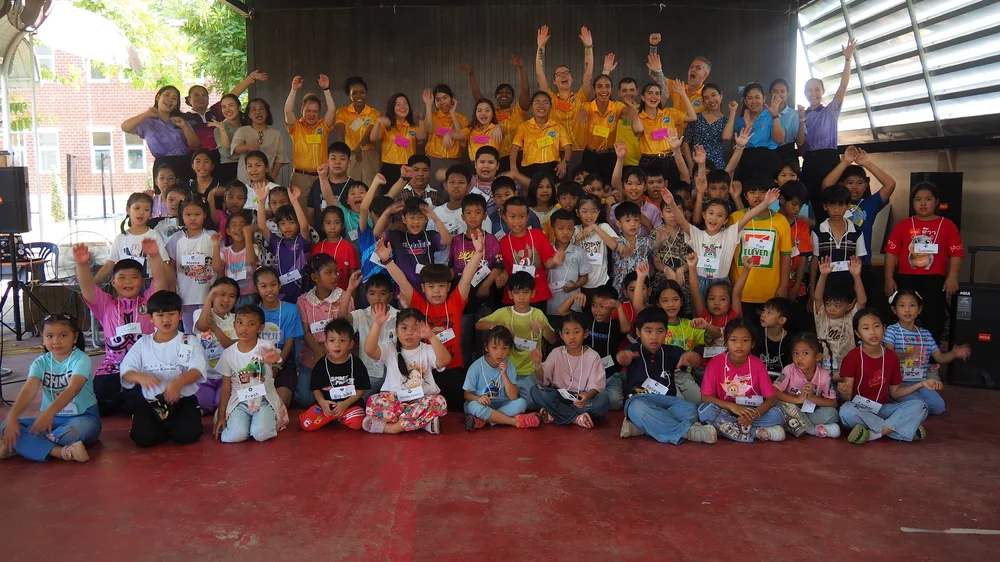
DTV Is Not a School Job. Non-B Is
Sawasdee from Ban Lum. The Destination Thailand Visa is for remote work with an overseas employer, soft-power courses, or dependents. It is not a licence to teach in a Thai school. Paid classroom work needs a Non-B and a work permit. Apply outside Thailand. Fees and checklists change by embassy — check that post this week.
The Destination Thailand Visa (DTV) gives digital nomads, freelancers, and cultural learners a reliable five-year base in Thailand without doing constant visa runs. It allows stays of up to 180 days per entry, with one 180-day extension possible inside the country. But let us be clear: the DTV is not a Thai work permit. If you intend to take a paid teaching job in a Thai school or nursery, you legally need a sponsored Non-Immigrant B visa and a school work permit. Kids English Thailand coordinates school jobs and legal Non-B visas; we do not sell DTV filings. Here is how the DTV works so you choose the right path.
What the DTV Visa Actually Delivers.
Introduced in July 2024, the DTV offers long-term flexibility for professionals earning money from overseas entities.
1. Long-Term Validity
Your visa sticker or e-visa PDF remains valid for 5 years. You can leave and re-enter as many times as you like during that window without invalidating the permit.
2. Generous Stay Periods
Each time you enter Thailand, the immigration officer stamps you in for up to 180 days. You do not need to do monthly border crossings just to stay legal.
3. Extension of up to 180 Days
You can extend each entry once at a provincial Thai Immigration office for an additional period of up to 180 days. The standard government fee is usually 1,900 THB. After that extension, you must leave Thailand and re-enter.
4. 90-Day Reporting & Tax Notes
If you stay past 90 consecutive days on an entry, standard 90-day address notification applies. If you live in Thailand for 180 days or more in a calendar year, you may become a Thai tax resident. Check with a qualified tax professional regarding foreign income remittances.
Recent Changes: Residence & Police Checks.
Thailand tightened the e-Visa portal rules on new applications starting late August 2026. The days of casual embassy shopping on a weekend holiday are finished.
1. Proof of Permanent Residence
The central Thai e-Visa system now requires proof of permanent residency or citizenship in the country where you submit your application. You cannot simply upload a short-term hotel reservation in Laos, Vietnam, or Malaysia and claim you reside there.
2. Criminal Record Clearance
Applicants must upload an official certificate of criminal record clearance from their country of nationality or permanent residence. Embassies set their own validity windows: Washington D.C. has asked for certificates within 3 months, while London has accepted 6 months. Always confirm your mission checklist.
3. No More Embassy Shopping
Applications submitted to embassies that do not cover your actual home territory face outright cancellation. Because the 10,000 THB government fee is non-refundable, filing through the wrong consulate wastes both time and money.
4. Tourist Visa Exemption Shifts
With standard visa-exemption tourist stays for many passports resetting from 60 days to around 30 days from mid-September 2026, remote workers are turning to DTV for stability. Make sure your paperwork is authentic and seasoned before applying.
The Three DTV Application Doors.
Every DTV applicant must qualify under one of three official government categories.
Workcation (Digital Nomads)
For full-time remote employees of non-Thai companies, company owners registered outside Thailand, or freelancers with foreign clients.
- Employment contract or proof of foreign business ownership.
- Company letter confirming your remote working status.
- Freelancers need a portfolio, active client contracts, or recent invoices from overseas clients.
Thai Soft Power Activities
For travellers participating in government-recognised cultural, athletic, or wellness programs inside Thailand.
- Accredited Muay Thai training camps.
- Certified Thai cooking schools.
- Documented medical treatments or wellness hospital programs.
- Not every private hobby class qualifies: institutions must provide formal Thai government acceptance letters.
Accompanying Dependents
For legal family members joining the principal DTV holder in Thailand.
- Legal spouse (requires apostilled or legalized marriage certificate).
- Unmarried dependent children under 20 years old (requires birth certificates).
- Each dependent files a separate application and pays their own non-refundable fee.
DTV vs. Non-B: Do Not Blur the Line.
We talk to new teachers every week who wonder if they can teach in a local school on a DTV. The short answer is no.
Destination Thailand Visa (DTV)
- Permitted work: Working remotely for employers or clients outside Thailand.
- Online tutoring: Teaching online students located abroad through foreign platforms is generally permitted under Workcation.
- Thai Work Permit: The DTV does not issue and cannot hold a Thai work permit.
- Local work: You cannot work for Thai schools, tutoring centers, or receive Thai Baht payroll.
Non-Immigrant B + Work Permit
- Permitted work: Full-time or contract teaching in a named Thai school or university.
- Legal documentation: Includes a formal Thai digital work permit and Khurusapha teacher licence or waiver.
- School payroll: Legal salary paid in Thai Baht into a domestic Thai bank account.
- Requirements: Requires an authenticated bachelor's degree. Explore our Thailand teaching visa guide and digital work permit guide.
Looking for a paid teaching placement in a respected Thai public or English Program school with full Non-B visa and work permit sponsorship at $0 placement fee?
Apply for Paid Teaching PlacementsFinancial Proof & Police Clearance Realities.
DTV applications are rejected most frequently for two reasons: irregular bank balances and missing residency or police documents.
The 500,000 THB Proof
You must show personal liquid savings equivalent to at least 500,000 THB (about $14,000 to $15,500 USD depending on exchange rates).
- Provide personal savings or current account statements in your own name.
- Most consulates require the last 3 months of statements. Several missions expect the closing balance to remain above 500,000 THB across all 3 months.
- Lump-sum transfers deposited right before filing trigger requests for source-of-funds or outright denials.
- Cryptocurrency wallets, stock portfolios, and company business accounts are frequently turned down. Confirm on your specific mission checklist.
Police Check & Identification
Ensure your personal identification and background records are clean, unlaminated, and within date.
- National-level criminal background check (e.g. FBI identity summary in the US, ACRO in the UK, SAPS in South Africa).
- Check certificate issue dates: some missions want checks dated within 90 days; others accept up to 6 months.
- Proof of residence: national ID card, long-term residence permit, or permanent utility bills matching your name in that jurisdiction.
- Passport must have at least 6 months validity from your planned entry date.
How to Apply: Four Sensible Steps.
Follow the official government procedure directly on the Thai e-Visa portal.
Step 1: Pick Category & Prepare Proof
Confirm your category (Workcation, Soft Power, or Dependent). Have your remote employment contract or soft power admission letter, 3 months of bank statements, police clearance, and local residence proof organized as clean PDFs.
Step 2: Log into thaievisa.go.th
Create an account on the official portal thaievisa.go.th while outside Thailand. Review the official DTV information page and official e-Visa manual (PDF).
Step 3: Select Mission & Pay Fee
Select the Thai embassy covering your home territory (for example, Thai Embassy Washington or Thai Embassy London). Pay the non-refundable fee online in that post's local currency.
Step 4: Receive PDF & Enter
Processing generally takes 5 to 15 business days depending on embassy workload. Once approved, download and print your official e-Visa PDF confirmation to present alongside your passport to the immigration officer upon arrival.
Frequently Asked Questions.
What is the Destination Thailand Visa (DTV)?
The DTV is a 5-year multiple-entry visa designed for digital nomads, remote workers with overseas employers, freelancers serving non-Thai clients, participants in approved soft power activities, and their legal dependents. It permits an initial stay of up to 180 days per entry, with one 180-day extension possible inside Thailand at Immigration.
Can I teach in a Thai school or university on a DTV visa?
No. The DTV strictly forbids local work for Thai employers or receiving salary from within Thailand. Foreign teachers employed by Thai schools, colleges, or placement agencies must hold a Non-Immigrant B visa and a legal Thai digital work permit.
How much does the DTV application fee cost?
The base government fee is set at 10,000 THB, but embassies charge in their local currency. For example, Washington D.C. has charged around $400 USD and London has charged £300 GBP. The fee is non-refundable whether approved or rejected, so check the current embassy page before applying.
What financial proof is required for the 500,000 THB balance?
Applicants must show personal bank statements holding at least 500,000 THB equivalent. Most embassies request the last 3 months of statements, with some posts requiring the closing balance to stay at or above that mark throughout. Sudden lump-sum transfers right before filing look weak, and crypto or business accounts are widely refused.
Can I apply for the DTV while inside Thailand?
No. You cannot apply for or switch to a DTV from inside Thailand. Applications must be completed online through thaievisa.go.th while physically abroad, submitted to the Thai mission responsible for your country of nationality or permanent residence.
What are the recent police clearance and residence requirements?
Central e-Visa guidelines now require verifiable proof of permanent residence in the country where you submit your application, stopping short-term embassy shopping on tourist trips. Applicants must also supply a clean criminal record certificate from their home country or residence. Validity requirements differ by embassy, so check your mission checklist before booking.
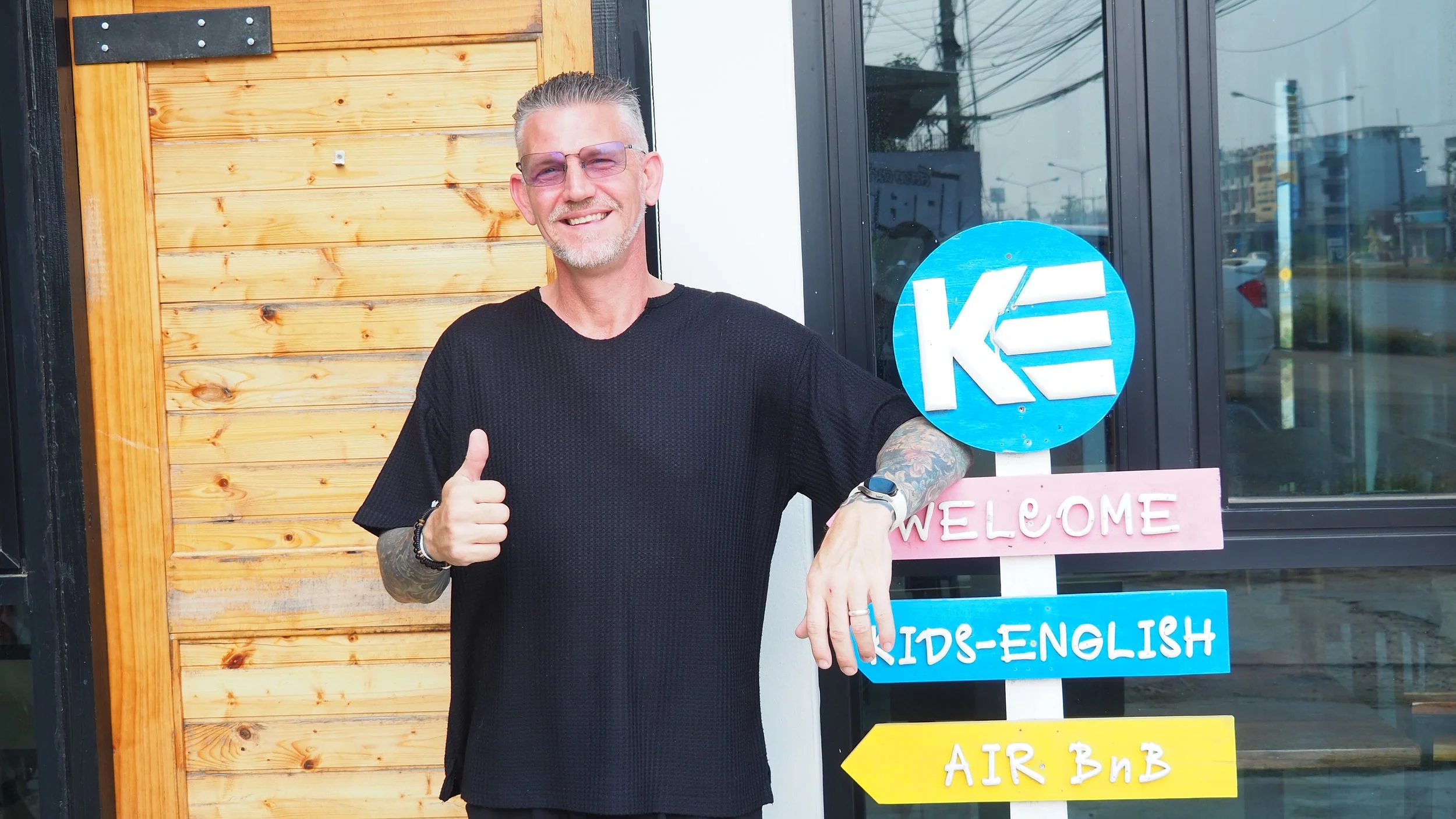
Matthew John
Co-Founder & Operations Manager · 20 Years in ThailandMatthew arrived in Northern Thailand 20 years ago and lives in Ban Lum, Sukhothai with his family. He oversees teacher placements, school orientations, and legal Non-B onboarding across northern and central provinces. For volunteer residencies or teaching questions, reach out via matthew@kids-english.org.
