
Beyond Memorization: Creative Play to Develop Vocabulary Skills
Beyond Memorization: Creative Play for Vocabulary
How active movement, rich storytelling, and hands-on explorations transform abstract English words into lasting language skills.
The Limits of Flashcards and Repetition
Vocabulary is one of the first major obstacles young learners face when learning English. While repeating vocabulary words off a flashcard or copying them into a notebook can support an introductory warmer, words memorized in isolation are often forgotten within a few days. Students may recognize a vocabulary word on a quiz; however, they frequently hesitate to apply that word in spontaneous conversation because they have not formed a personal, practical relationship with it.
Research regarding language development demonstrates that vocabulary grows more reliably when children are exposed to language through direct experiences rather than rote drills alone. Educational researchers increasingly view vocabulary as a collection of related experiences and interactions (movement, storytelling, tactile exploration) rather than isolated lists.
Treats words as isolated symbols. Short-term test recognition fades rapidly when disconnected from real actions or emotion.
Anchors words into physical sensation, emotion, and narrative scenes, forming multi-sensory neural connections for long-term recall.
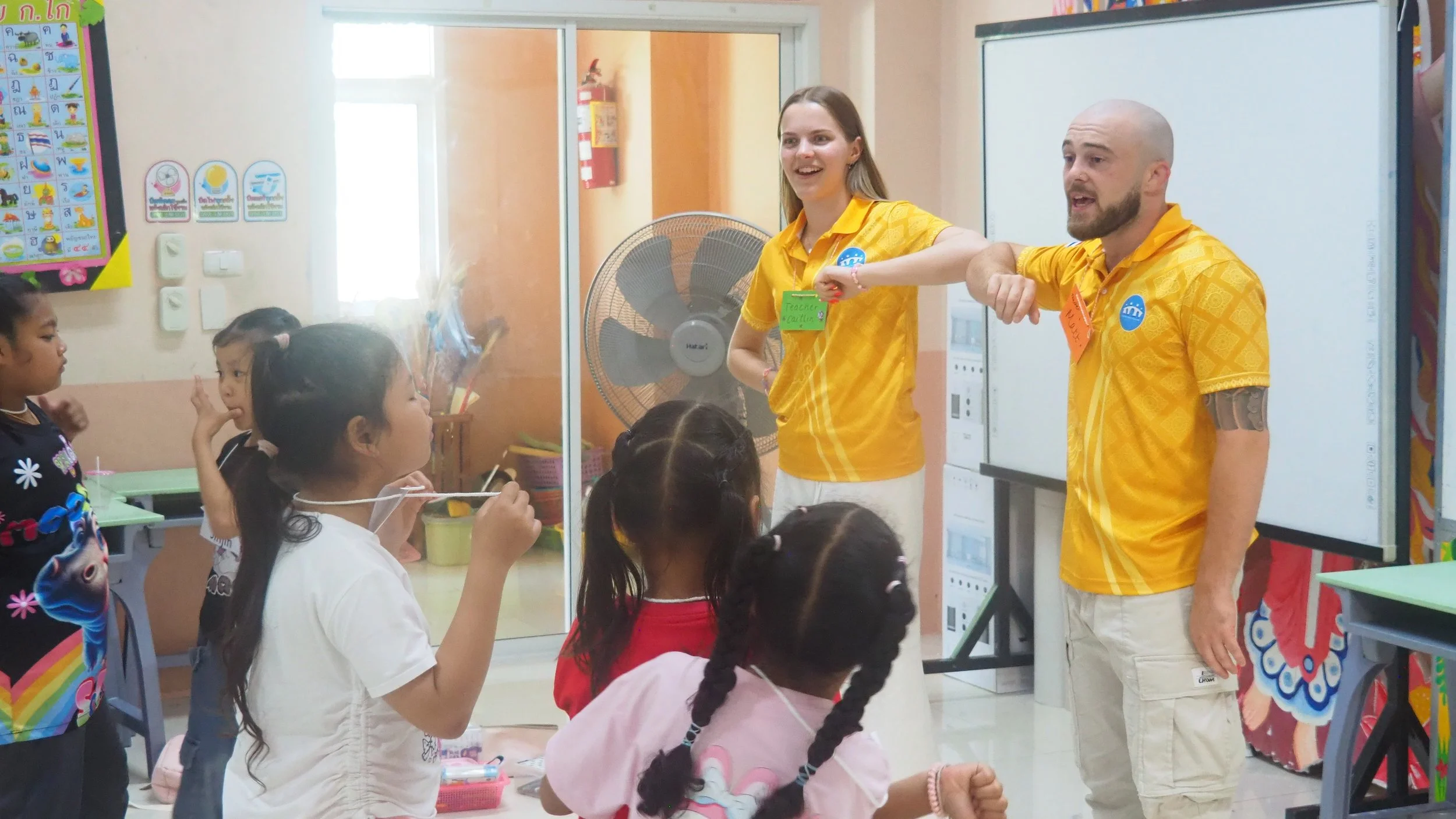
This provides classroom teachers with an exciting pedagogical opportunity. Rather than relying solely on repetitive desk work, the physical classroom offers countless opportunities for children to make new vocabulary part of their daily life.
Movement Provides a Platform for Connection
Educators know that requiring young children to remain seated for extended periods rarely leads to deep engagement. Movement naturally commands attention and anchors memory. Educational psychologists have identified that physical activity supports cognitive processing by providing learners with additional kinesthetic pathways to new information. In addition to keeping classes energetic, movement creates strong mental associations with target language.
Classroom practice illustrates this clearly. When teaching action verbs, asking students to jump, crawl, clap, or spin each time they hear the verb creates an immediate physical imprint. Instead of merely memorizing a translation, students experience the meaning directly.
1. Jump
Grounds vertical energy and explosive action verbs.
2. Crawl
Engages spatial awareness and low-floor movement.
3. Clap
Connects auditory rhythm and physical timing.
4. Spin
Reinforces balance and directional vocabulary.
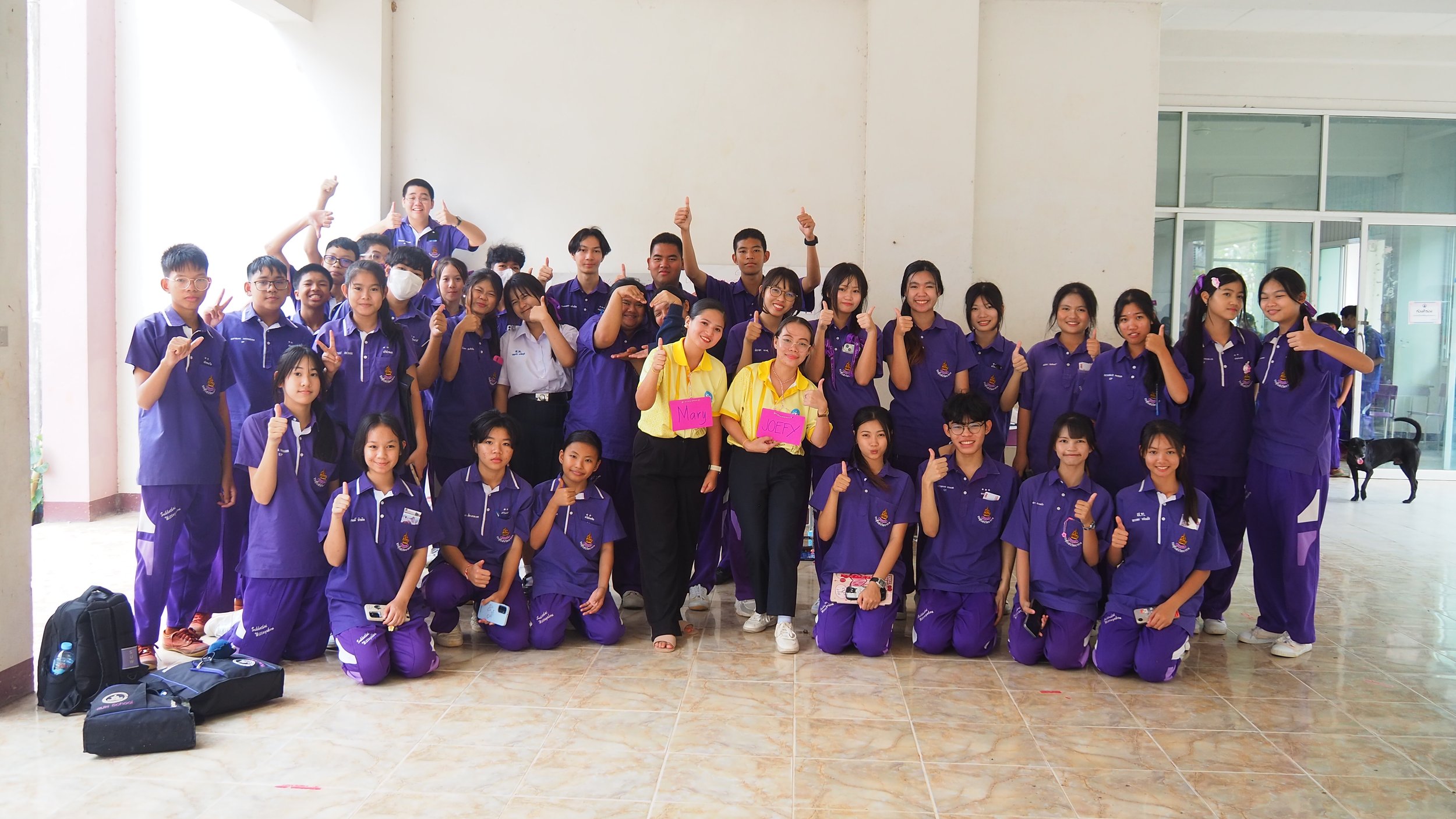
The same principle applies to low-prep classroom games such as scavenger hunts, board relays, or vocabulary matching where students move around the room to pair words with corresponding pictures. These activities generate genuine enthusiasm and organic conversation, creating ideal conditions for retention.
Even before progressing to full sentence structures, building familiarity with letter sounds can happen through creative activities, phonics songs, and playful challenges so that young learners approach English with curiosity rather than performance anxiety. For structured classroom activities, explore our curated guide to interactive classroom games.
Why Meaningful Experiences Beat Rote Drills
Consider how children acquire vocabulary in their first language. No one hands a toddler an isolated vocabulary list before breakfast. Instead, words are heard repeatedly during real routines: eating meals, putting on shoes, bedtime stories, and family play.
🍏 The Sensory Context Principle
A young child learns the word "apple" by holding an apple, tasting its sweetness, or asking for a slice. Before ever writing the letters a-p-p-l-e, the word carries meaning because of concrete sensory experience.
Second language vocabulary develops along comparable pathways. Educational researchers at the Institute of Education Sciences recommend introducing target vocabulary through multiple, varied encounters rather than repetitive drills. When students experience words across diverse sensory channels (hearing, speaking, seeing, and physically manipulating), they build durable memory networks.
This is why students often remember a word acted out during a team game weeks later, yet struggle to recall a term copied down multiple times on a worksheet. The difference is not student ability: it is the richness of the experience tied to the word. When vocabulary connects to an engaging task, children stop stressing about memorization and begin applying the language naturally.
Stories Make Vocabulary Meaningful
Stories are among the most effective vehicles for vocabulary acquisition because they provide immediate context. A student hearing the word "forest" on its own may find it abstract, but hearing that word as the setting of an illustrated journey gives it immediate clarity. The brain connects the word to trees, animals, sounds, and suspense. This holds true across grammatical categories: nouns, adjectives, action verbs, and adverbs.
Rabbit 🐇
Connected to a living character with emotions and goals.
Big 🐘
Grounded through visual comparison against forest scenery.
Run 🏃
Driven by plot urgency, rhythm, and story excitement.
Slowly 🐢
Demonstrated through dramatic vocal pacing and pauses.
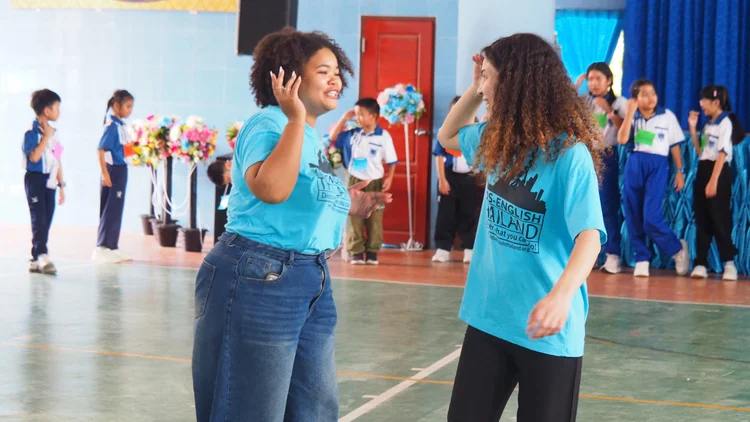
Literacy researchers emphasize that reading aloud interactively (pausing to ask predictive questions about characters and upcoming events) produces substantially greater vocabulary gains than presenting vocabulary lists prior to reading.
Visual picture books also offer natural discussion prompts. After finishing a story, asking students to point out details or describe what characters are doing gives them structured practice using target words. Whether through illustrated storybooks or verbal classroom tales, active participation outpaces passive listening every time.
Hands-On Activities Connect Words to Touch
Young children learn naturally by manipulating their surroundings: sorting objects, matching pairs, and constructing towers. These tactile activities allow students to explore language through physical senses. Hands-on engagement helps ground abstract definitions into concrete objects children can see, hold, and arrange.
Experiential learning principles show that learners build deeper conceptual clarity when interacting directly with concrete objects. In an ESL classroom, this includes sorting realia by color, using animal figures to role-play habitats, or labeling classroom supply baskets before an art activity. Rather than memorizing words strictly from whiteboard instructions, children encounter language while exploring their physical environment.
Literacy materials also foster language growth when designed around tactile discovery. For instance, exploring wooden name puzzles lets early learners connect letters, phonics sounds, and spelling through physical touch. Because children have an immediate personal connection to their own names, tactile puzzles make letter recognition feel like an engaging game rather than an intimidating academic drill.
Repetition Across Multiple Contexts
Repetition remains an essential component of language learning, but it is most effective when distributed across varied contexts rather than repeating the same worksheet drill. When introducing a word like "bird," students might first meet it during story time. The next day, they might point out birds outside during a playground walk. Later that week, they might sketch birds in art class, sing a themed action song, or use the word during a communicative classroom game.
Story Time 📖
Initial auditory encounter with target word in narrative context.
Nature Walk 🌿
Real-world visual sighting and descriptive speaking outdoors.
Art & Song 🎨
Tactile drawing and choral singing incorporating the vocabulary.
Peer Play 💬
Spontaneous, unprompted usage during partner interactions.
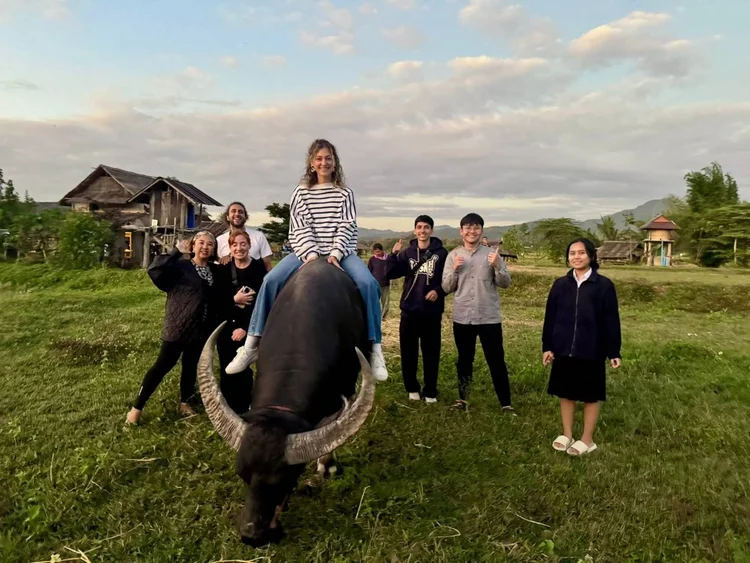
While the student has heard and used the word multiple times, each encounter occurs inside a distinct, meaningful setting. This variety helps the brain categorize the word as functional, everyday vocabulary rather than temporary test material.
Everyday classroom routines also offer steady opportunities for authentic reinforcement. Asking students to help tidy supplies, report the morning weather, or explain the rules of a simple board game provides purposeful contexts for recycling language. When students encounter vocabulary organically across the school day, their comprehension solidifies naturally.
Creating a Classroom Where Vocabulary Comes Alive
One of the most rewarding milestones for an ESL teacher is hearing students produce target vocabulary spontaneously. This might happen during free play, while working on a group task, or during casual classroom banter. These breakthroughs rarely stem from memorizing flashcard stacks for an exam; they occur because the words have become genuinely useful tools.
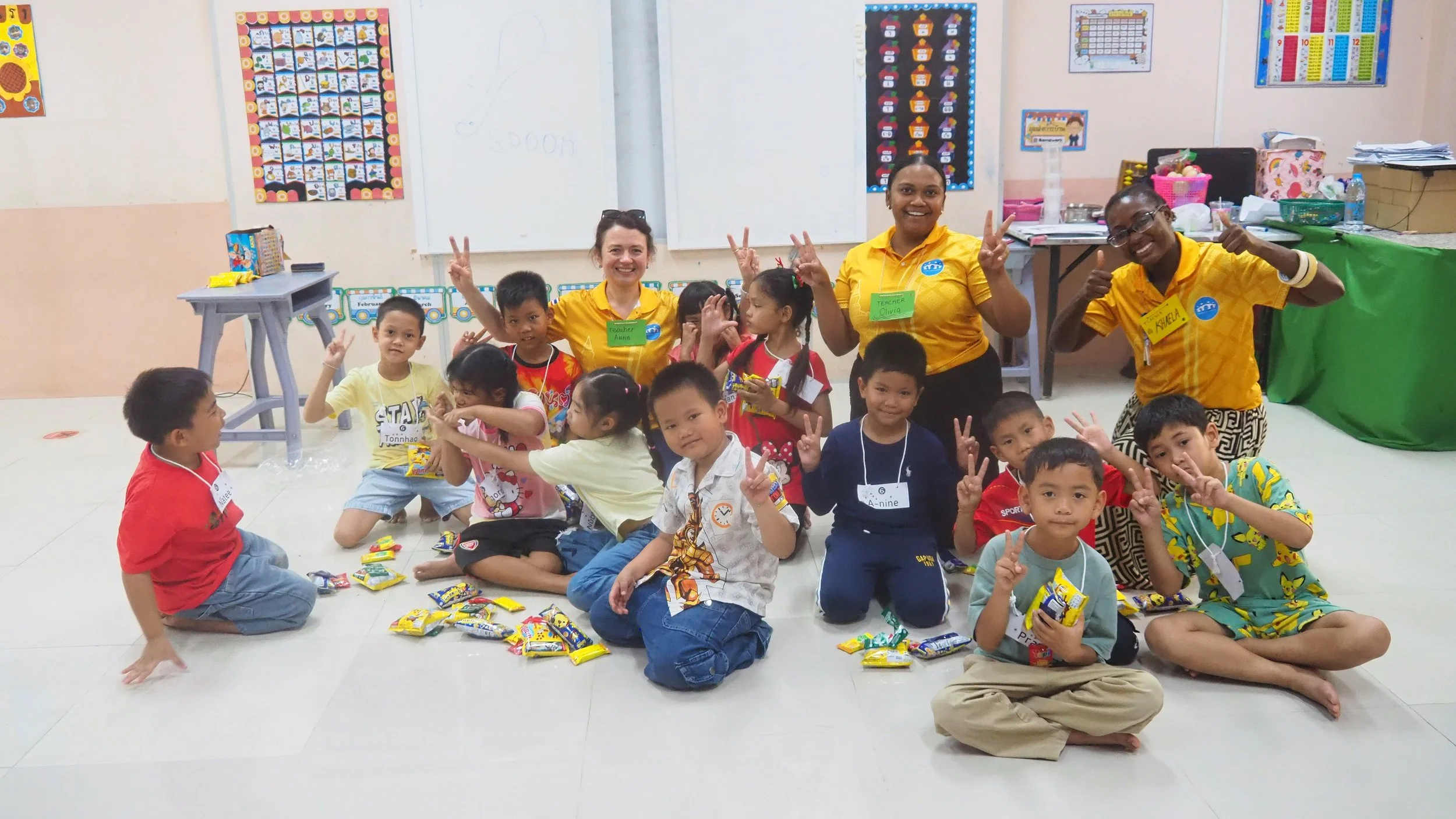
That is the heart of experiential language learning:
1. Games
Encourage low-anxiety, natural communication.
2. Stories
Provide rich narrative and emotional context.
3. Movement
Creates strong kinesthetic memory pathways.
4. Manipulatives
Connects abstract letters to tactile touch.
5. Daily Routines
Offers recurring, purposeful speaking moments.
Creative play does not replace intentional lesson planning or curriculum goals. Instead, it creates the welcoming classroom atmosphere where structured instruction truly takes root. By grounding words in laughter, movement, and genuine curiosity, educators give children the confidence to use English as their own.
Frequently Asked Questions
Why do traditional vocabulary flashcards fail young ESL learners?
Flashcards and rote copying treat words as isolated facts rather than meaningful experiences. Children may recognize a word on a test, but without a personal sensory connection, the word is typically forgotten within days.
How does physical movement accelerate English vocabulary retention?
Physical movement provides additional sensory pathways to the brain. Total Physical Response (TPR) games, scavenger hunts, and action games anchor abstract words to physical experiences, creating long-term neural connections.
Why is storytelling effective for early childhood vocabulary?
Stories provide rich, memorable context. Instead of memorizing an abstract definition, a child connects a word like 'forest' to a complete narrative scene, making the vocabulary naturally meaningful.
How do hands-on manipulatives like wooden name puzzles assist language acquisition?
Tactile manipulatives allow children to explore letters and words through touch and sight. Puzzles using a child's own name leverage personal identity to build early phonics confidence without formal classroom anxiety.

Matthew John
Editorial Note : K.E.T. Co-Founder & Operations Manager (20 Years)"Elena's tactile approach reflects our on-the-ground experience across Thai schools: multi-sensory engagement consistently outperforms rote copying. We emphasize these exact interactive methods during our teacher orientation in Sukhothai."