
Thailand Teacher Dress Code 2026 Guide: Royal Mourning Etiquette
Thailand Teacher Dress Code:
School Standards & Mourning Etiquette 👔👗
Sawasdee from Sukhothai. In Thai schools, your wardrobe communicates professional readiness before you speak your first word. Here is your practical guide to daily classroom clothing, managing tropical heat, polite mourning dress, and school customs.
Standard School Attire: Male & Female Baselines
In Thai culture, teachers hold respected community standing. Dressing neatly signals care for your students and colleagues.
"Over 20 years coordinating placements across Northern Thailand, I have seen that dressing neatly in the classroom signals genuine care for your students and school community. You do not need expensive designer labels: clean, modest, ironed clothing and a warm smile create a supportive learning environment from your first day."Matthew John : KET Operations Manager & 20-Year Veteran
Men: Collars & Slacks
- Collared Shirts: Ironed short-sleeved or long-sleeved button-down dress shirts in breathable cotton or linen blends. Pastels, whites, or subtle patterns are common.
- Trousers: Tailored slacks, chinos, or dress trousers in dark or neutral shades. Denim jeans and cargo pants are generally not accepted.
- Footwear: Closed-toe leather dress shoes, dark loafers, or neat smart shoes with dark socks.
- Neckties: Keep 1 or 2 neckties on hand for morning flag assemblies, Wai Kru ceremonies, and photo days.
- Grooming: Clean-shaven or neatly trimmed facial hair.
Women: Modest Blouses & Skirts
- Skirts & Dresses: Hemlines should fall to or below the knee when standing and seated. Modest cuts without high slits.
- Tailored Trousers: Many modern campuses welcome neat, professional dress slacks paired with a tailored top.
- Blouses: Shoulders and chest must be covered. Sleeveless cuts, deep scoops, and sheer fabrics are avoided.
- Footwear: Closed-toe flats, loafers, or modest low block heels. Beach sandals and flip-flops stay at home.
- Cardigan: A light layer is very helpful for air-conditioned staffrooms or cooler Northern mornings.
Ask Your School Directly
School expectations vary across Thailand. A rural government school in Sukhothai may expect ties only on assembly days, while an international academy in Bangkok or a strict private foundation might require blazers daily. Observe your Thai colleagues during orientation and follow your department head's guidance.
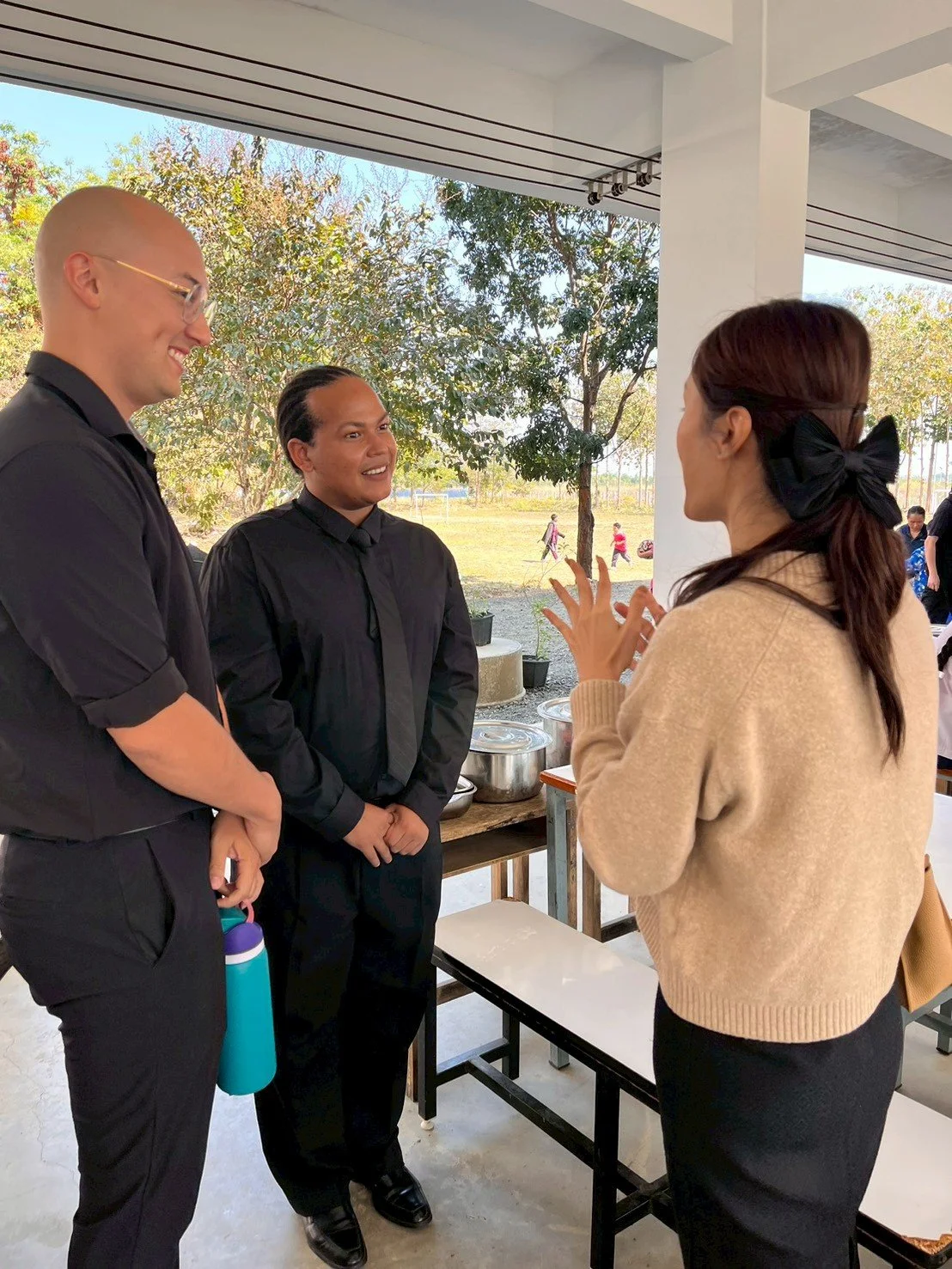
Royal Mourning Etiquette: Polite Colors & Ribbons
When educational institutions observe official periods of national mourning, foreign educators are expected to mirror this solemnity through daily clothing choices.
Polite Mourning Attire Guidelines
When requested by your school or official government circulars, teachers in both public and private schools are asked to wear polite, dark, or neutral colors. This is an expectation of cultural respect and community solidarity, not a statute you cite:
Monday Yellow Custom
Wearing yellow on Mondays is a common royal courtesy honoring His Majesty the King. Not every school enforces it every week. During official mourning periods, Monday yellow is often set aside for black, white, or dark attire. Check your faculty LINE chat every Sunday evening.
Friday Woven & Silk Shirts
Wearing regional woven shirts (such as northern indigo Mor Hom) or traditional Thai silk on Fridays is popular and optional unless your school requests it. During mourning periods, teachers choose muted or dark weaves rather than bright colors.
Everyday Practices: Heat, Footwear & Tattoos
Balancing tropical climate realities with campus decorum.
Breathable Fabrics
You do not need to wear heavy long sleeves every day in 35°C heat. Short-sleeved collared shirts in 100% lightweight cotton or linen blends breathe well and keep you comfortable. Heavy synthetics that trap moisture are best left in the drawer.
Shoes Off When the School Does
In Thai schools, shoes are frequently removed before entering language labs, computer rooms, or administrative offices. Slip-on dress shoes, neat loafers, or smart flats make moving between buildings much easier than laced boots. Wear clean socks without holes.
Tattoos & Facial Piercings
Tattoos are not illegal in Thailand, but many traditional schools prefer visible ink to be covered during teaching hours with shirts, slacks, or neutral undershirts. Facial piercings beyond simple earlobe earrings are often asked to be removed or replaced with clear retainers.
Helpful Do's
Everyday practices that earn trust and respect:
- Iron Your Clothes: Wearing clean, neatly pressed clothing signals care for your role and students.
- One Smarter Outfit: Keep a necktie and smart jacket ready for Wai Kru Day, school ceremonies, and photo days. Check our packing checklist.
- Spare Shirt on Campus: Keeping a clean, pressed spare shirt in your desk or locker lets you freshen up after morning gate duty.
- Follow School LINE Updates: Check staff announcements for upcoming activity colors or special ceremonies.
Clear Don'ts
Habits that generally fail in Thai faculty rooms:
- Casual Blue Denim: Blue jeans, jean jackets, and denim skirts are seen as casual leisure wear and usually fail.
- Beach Footwear: Open-toed sandals, flip-flops, and foam slides are not worn on duty.
- Loud Colors During Mourning: Skip bright red, neon shades, or loud floral prints when the school is in mourning.
- Revealing Cuts: Sleeveless tops, deep scoops, and short hemlines above the knee are not appropriate for teaching.
Application Photos and Introduction Videos
When recording your introduction video for school directors or submitting passport-style CV photos, follow these exact dress standards: collared shirt, neat hair, covered shoulders, and no visible piercings. Review full filming tips in our teacher introduction video guide.
Teacher Dress Code FAQs
Straightforward answers to the most common questions regarding school attire in Thailand.
Are foreign teachers expected to wear dark colors during royal mourning periods in Thailand?
What should I do if I do not have enough black clothes?
Why are jeans and casual t-shirts generally avoided in Thai classrooms?
What are the standard dress guidelines for female teachers in Thailand?
How does royal mourning etiquette affect Friday traditional shirt days?
What is the policy regarding visible tattoos and piercings in Thai schools?
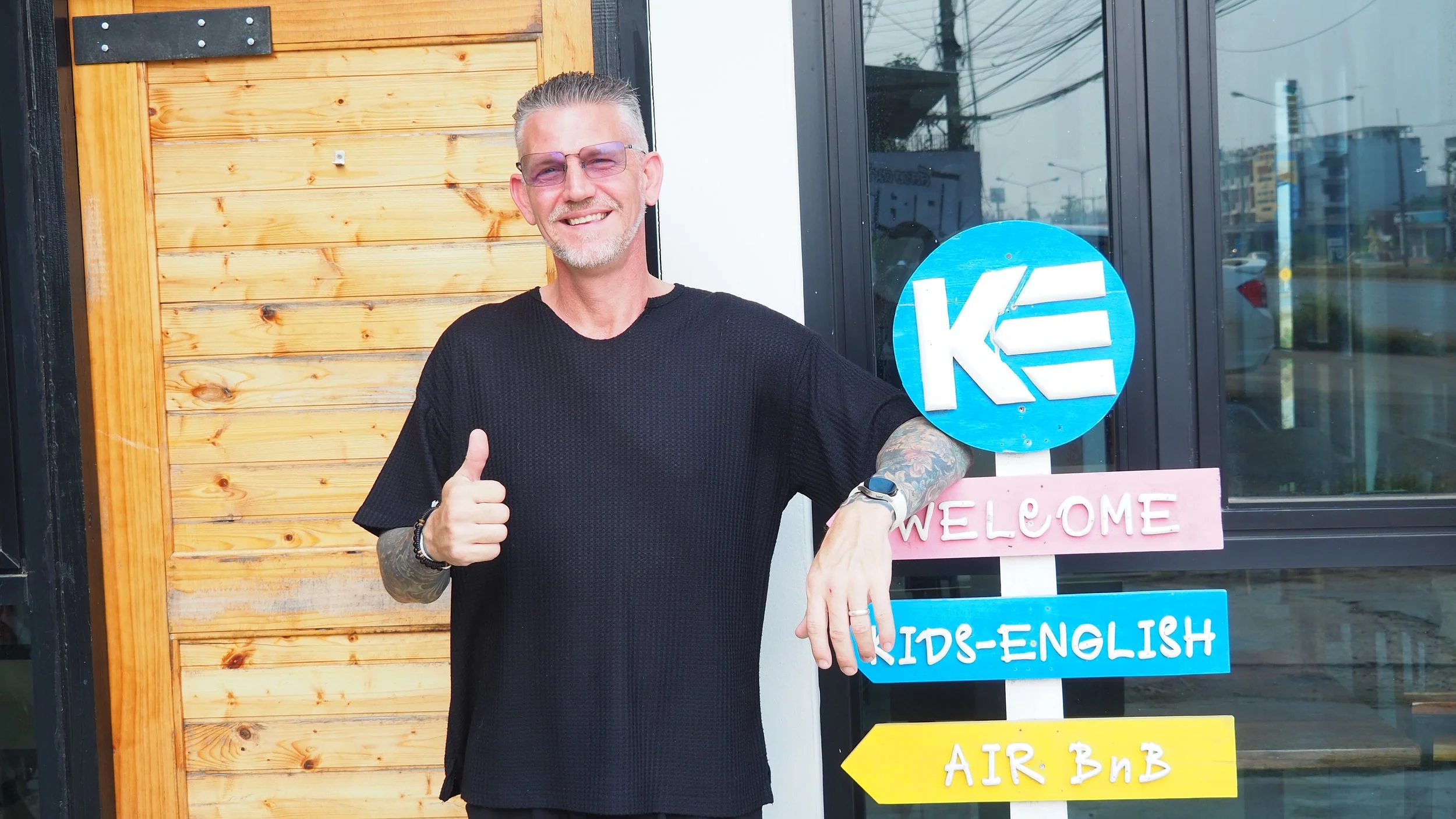
Written by Matthew John
Co-Founder & Operations Manager : 20 Years in ThailandMatthew John is the co-founder of Kids English Thailand (KET) and has spent 20 years guiding foreign educators through school placements, legal Non-B visas, and cultural integration across Northern Thailand. He lives in Sukhothai with his family.
