
Wai Kru Day: How Foreign Teachers Sit, Receive, and Dress
Not 16 January.
Sit. Two Hands. Do Not Krab 🙏🌺
Sawasdee from Ban Lum. Wai Kru is a school-day ceremony, usually a Thursday early in term one. Students bring the Phan tray. You stay seated. Accept with both hands. A chest-level Wai is enough. 16 January is National Teachers’ Day — different day, classes off.
The Spirit of Wai Kru: Honoring the Teacher
Understanding why students honor educators and how the ceremony differs from National Teachers' Day.
"Over 20 years guiding foreign educators across Northern Thailand, Wai Kru Day remains one of the warmest moments of the school year. The word 'Wai' means to show respect, and 'Kru' means teacher. When students present their flower trays, it marks a sincere expression of trust between learners and their instructors. Approaching the assembly with quiet respect and a friendly smile will make you feel truly welcomed by your school community."Matthew John : KET Operations Manager & 20-Year Veteran
| Comparison Feature | Wai Kru Day (วันไหว้ครู) | National Teachers' Day (วันครู) |
|---|---|---|
| Annual Timing | Early in Term 1 (commonly a Thursday in June; schools set their own date). | January 16 each year (fixed national observance). |
| School Status | Normal school day: classes run before or after the morning ceremony. | Official holiday: regular classes are suspended and students stay home. |
| Primary Ritual | Students present flower trays (Phan Wai Kru) and garlands to teachers. | Teachers attend professional seminars, merit-making, and honor ceremonies. |
| Atmosphere | Ceremonial, student-led gratitude followed by celebratory school photos. | Civic recognition honoring teachers' contribution to national development. |
Why Held on a Thursday?
In Thai cultural tradition, Thursday is regarded as the Day of the Teacher (Wan Khru). Because of this historic association, schools across the country almost universally schedule their Wai Kru ceremonies on a Thursday morning.
Dates Vary by Campus
Do not expect every school in Thailand to hold Wai Kru on the exact same calendar date. Some schools schedule their ceremony during the first or second week of June, while others choose late June. Always check your school's weekly schedule.
Teacher Attendance
Foreign educators are expected to attend alongside their Thai colleagues. If an urgent health situation prevents you from being there, notify your school director or department liaison in advance so seating arrangements can be adjusted.
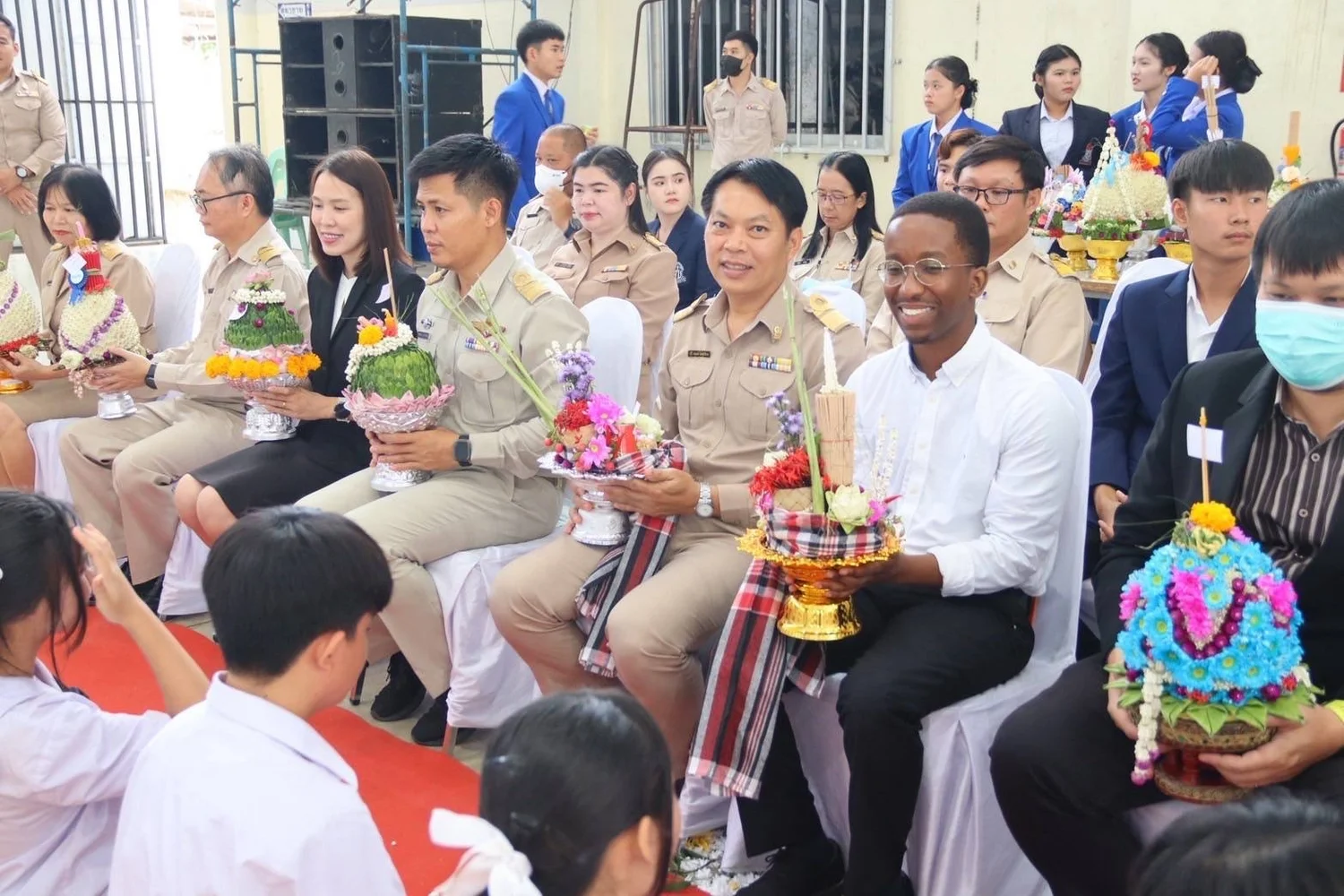
Phan Wai Kru: The Traditional Flowers
The symbolic plants traditionally woven into student trays, each representing an educational virtue.
Ixora: Sharp Intellect
The sharp, needle-like buds of the ixora blossom represent a sharp, piercing intellect that can cut through complex questions and master difficult lessons.
Eggplant Flower: Humility
Because eggplant flowers bow down toward the ground as they bloom, they symbolize modesty, respect, and humility in the presence of knowledge.
Bermuda Grass: Perseverance
Resilient grass that survives drought, foot traffic, and heat. It symbolizes patient endurance, resilience, and steady dedication in academic study.
Popped Rice: Self-Discipline
Roasted rice grains that pop open into light flakes when heated. It represents disciplined study that expands into understanding and clear thinking.
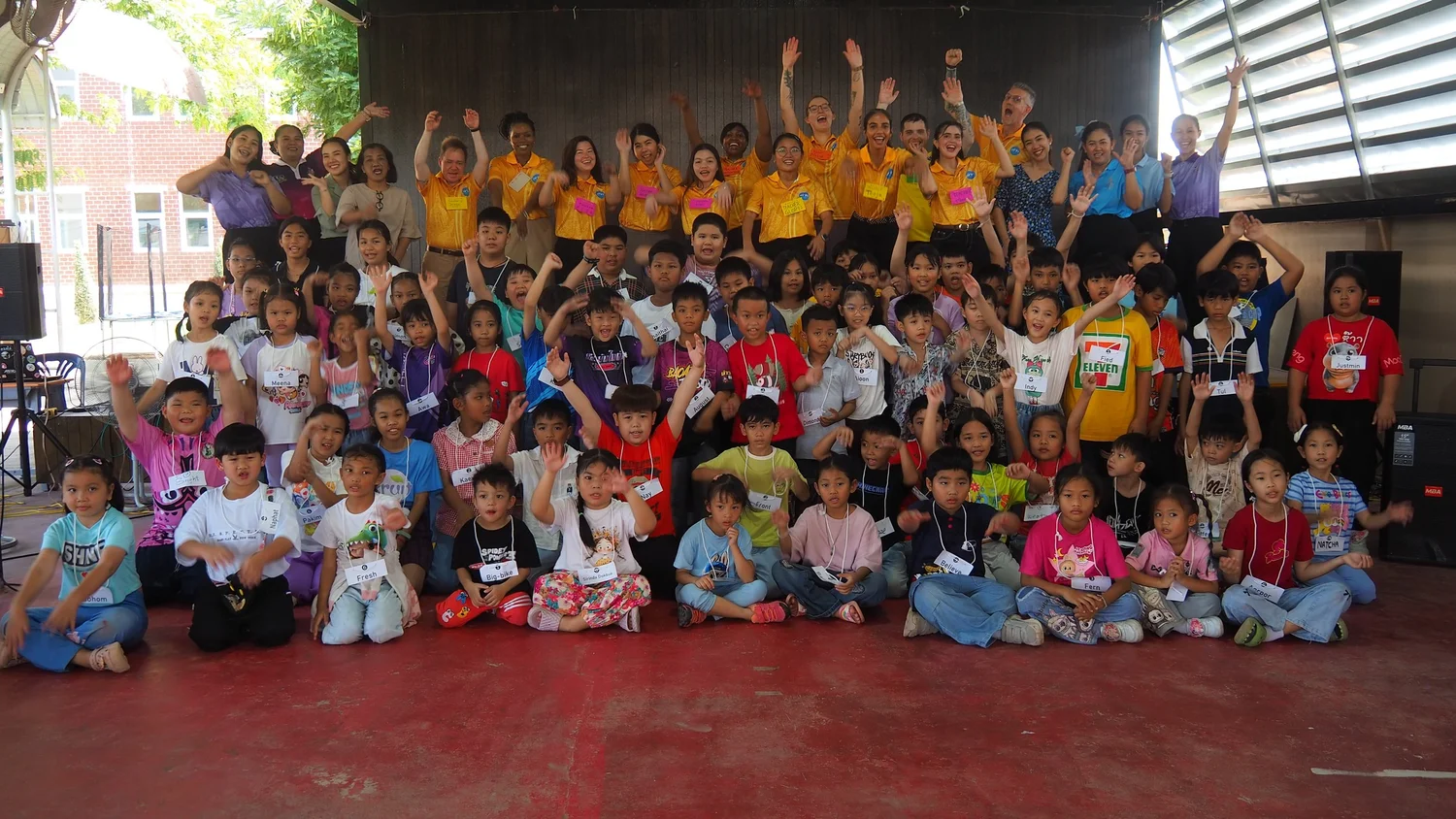
Modern Tray Designs & Jasmine Garlands
While the four traditional plants remain the classical foundation, school art classes today create a wide variety of trays. Many students incorporate hand-woven jasmine garlands (Phuang Malai), colorful orchids, or creative sculptures. Regardless of the tray's style, the respectful intention remains the same.
Ceremony Protocol: How Teachers Participate
Straightforward guidance on where to sit, how to receive offerings, and stage manners.
1. Teachers Sit, Students Present
Teachers sit in chairs placed on the stage or in the front row of the assembly hall. Students approach by walking or crawling respectfully on their knees to present their trays and garlands.
2. Two-Hand Acceptance
When a student kneels before you to offer a tray or garland, reach forward and receive the offering with both hands. Return a warm smile, place the tray on the table or floor beside you, and offer a gentle chest-level Wai.
3. Do Not Krab as the Teacher
Students bow to the floor (krab) to express respect for their instructors. Teachers do not bow to the floor in return: you remain seated upright and acknowledge the gesture with a gentle head nod and Wai.
Respectful Do's
Helpful habits that make your participation smooth:
- Dress Formally: Follow your school's uniform memo. Wear a neat long-sleeved shirt with tie, or a modest blouse with knee-length skirt. See our dress code guide.
- Put Phones Away: Keep smartphones in your pocket or bag during speeches, the national anthem, and student chants.
- Respect Assembly Prayers: If Buddhist monks are present or prayers are recited, sit calmly with hands folded gently in your lap.
- Join Group Photos: Posing for commemorative photos with students and Thai faculty after the ceremony builds wonderful goodwill.
Clear Don'ts
Habits to avoid during the assembly:
- No Casual Wear: Avoid t-shirts, jeans, shorts, or flip-flops, even if you teach physical education later that day.
- Do Not Bring Student Gifts: Teachers do not buy gifts for students on Wai Kru Day. Your respectful presence is what matters.
- Never Leave Early: Stay through the closing remarks and photo opportunities until the head teacher concludes the assembly.
- Do Not Walk Across Rows: When walking on stage or in front of seated colleagues, bow your head slightly to pass respectfully.
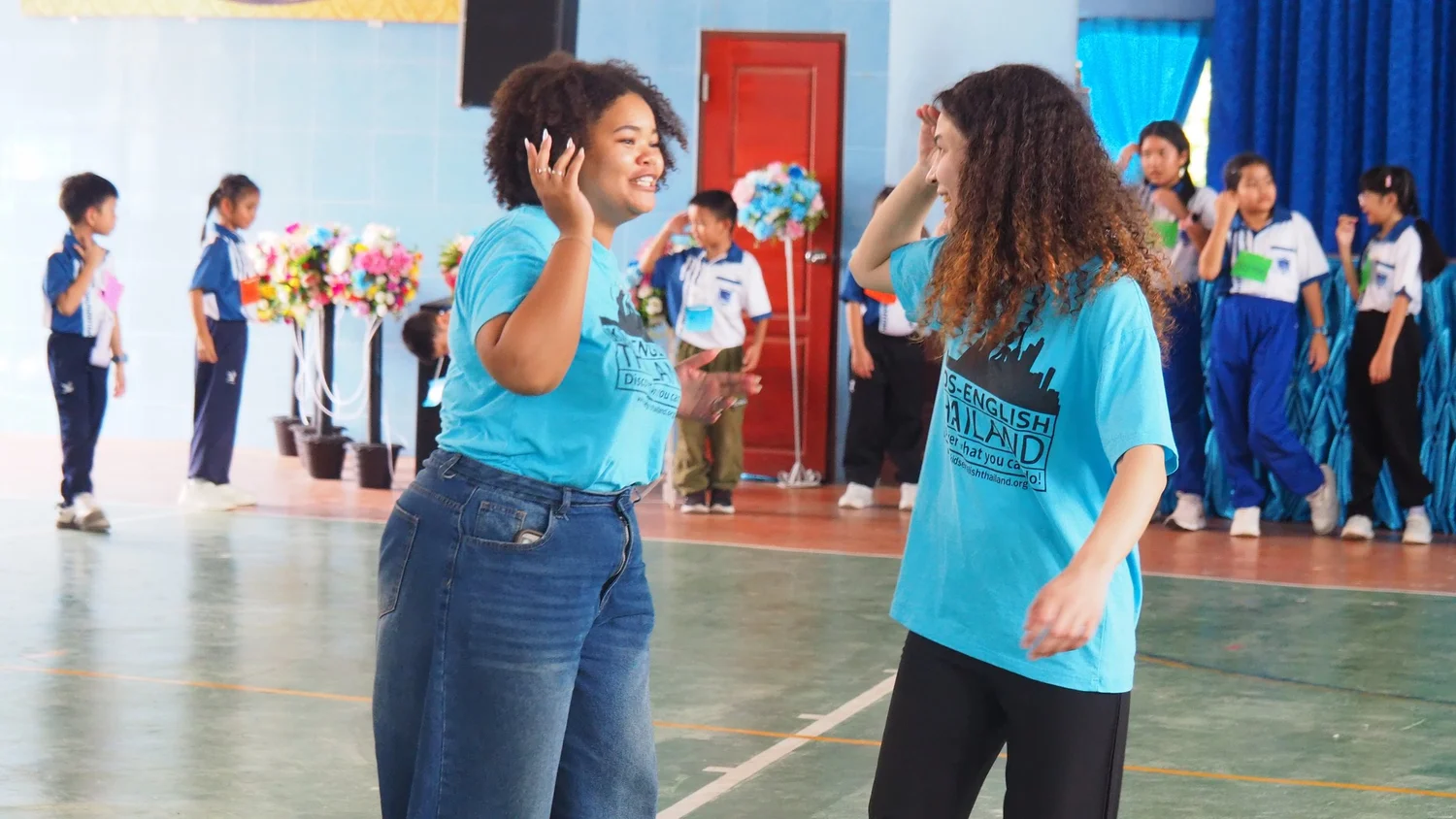
Wai Kru Day FAQs
Clear answers to common questions about Wai Kru ceremonies in Thai schools.
What is the difference between Wai Kru Day and National Teachers' Day in Thailand?
Why are Wai Kru ceremonies usually held on a Thursday?
What traditional flowers are placed on the Phan Wai Kru tray?
How should a foreign teacher receive the flower tray from students?
What should foreign teachers wear on Wai Kru Day?
Should teachers prepare return gifts for students on Wai Kru Day?
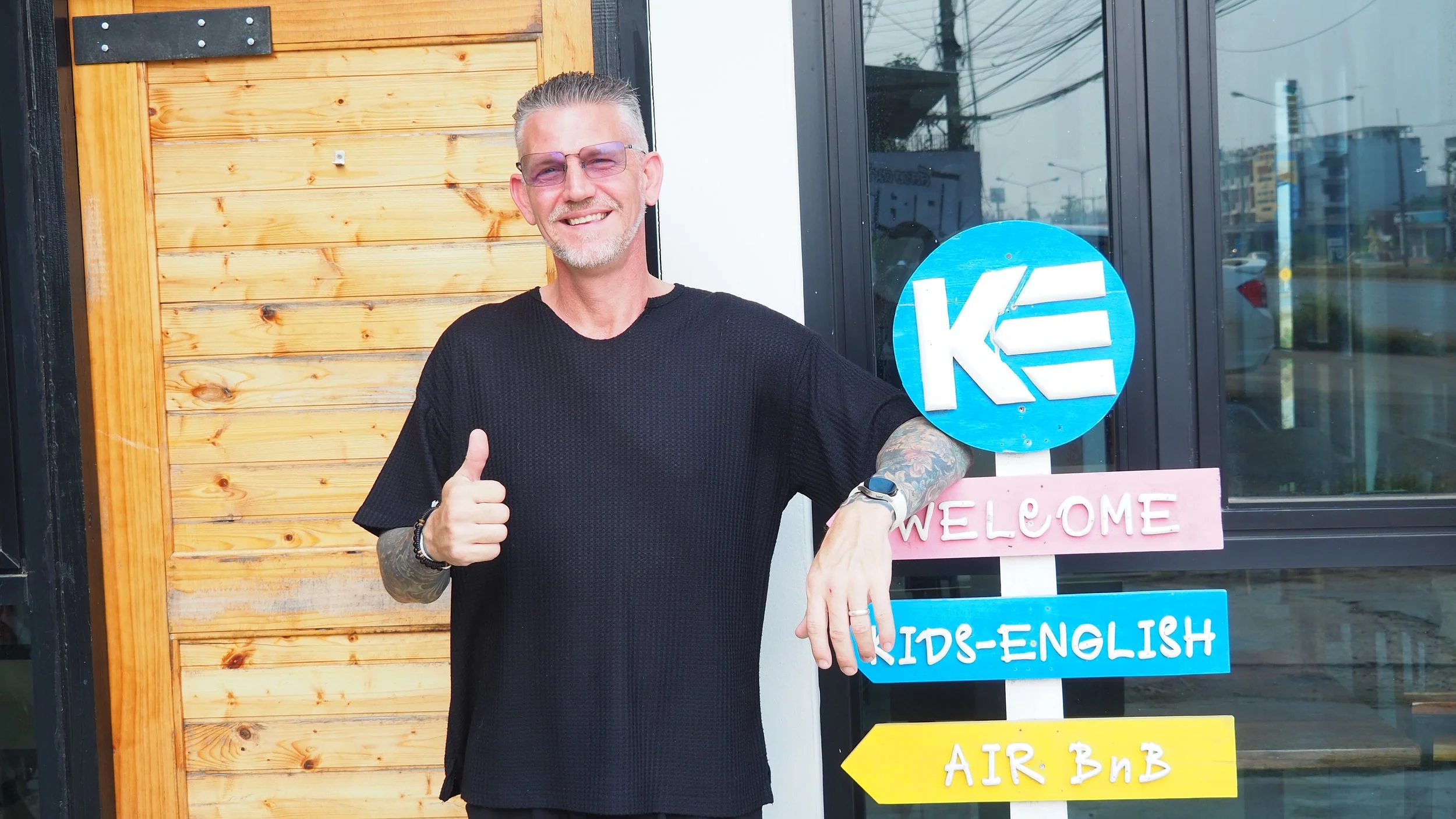
Written by Matthew John
Co-Founder & Operations Manager : 20 Years in ThailandMatthew John is the co-founder of Kids English Thailand (KET) and has spent 20 years guiding foreign educators through school placements, cultural integration, and everyday life across Northern Thailand. He lives in Sukhothai with his family.
