
Pack for Teaching in Thailand: Carry-On Folder and What to Leave
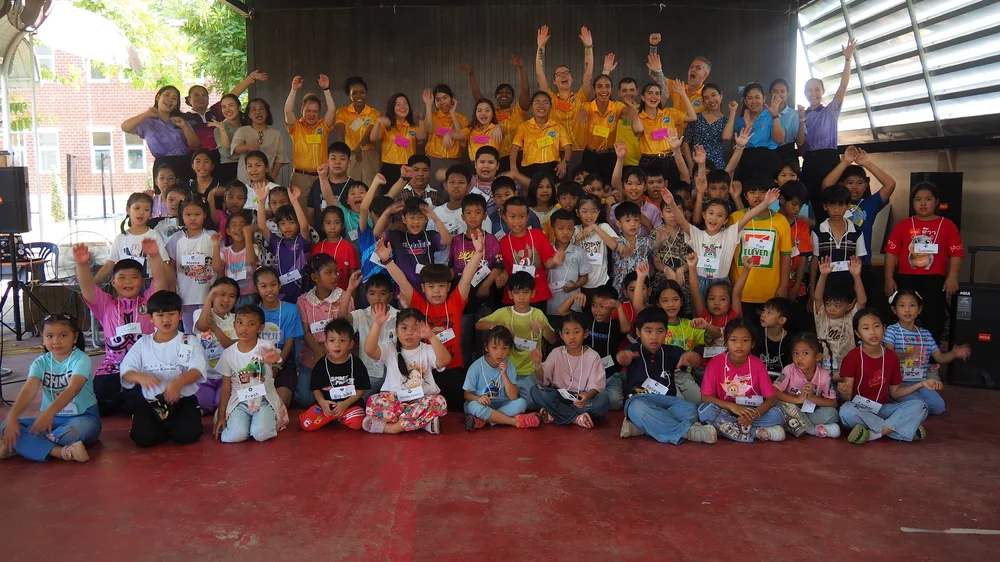
Degree in the Cabin Bag.
Do Not Laminate
Sawasdee from Ban Lum. Passport, unlaminated degree, transcripts, and police check stay in the backpack. TDAC screenshot on the phone. Pack the clothes you already wear to work. Bring a real jacket for Northern cool season. Buy a yellow shirt and one Friday Thai-style set in town with a co-teacher. Friendly, cheap, and it matches the school.
Carry-On Documents: Keep These Within Reach
Checked luggage can occasionally be delayed. Keeping your core records in your hand luggage ensures school paperwork begins smoothly.
"Over 20 years welcoming teachers to Sukhothai, the most relaxed arrivals are always those who keep their paperwork neatly organized in their daypack. You do not need an elaborate filing cabinet: just a sturdy plastic or card folder holding your degree, transcripts, and passport photos. Having them on hand makes onboarding comfortable from your very first morning."Matthew John : KET Operations Manager & 20-Year Veteran
Passport & Photos
An original passport with at least six months of remaining validity. Bring 8 to 12 extra passport photos on a plain white background. Thai photo sizes vary slightly between 3.5x4.5 cm and 4x6 cm for school files and extension paperwork.
Original Degree & Transcripts
Your physical Bachelor's degree parchment and official sealed university transcripts. Many Thai offices dislike laminated originals because verification stamps and embossing cannot sit on plastic. If yours is already laminated, check with your school or agency before you panic-order a new diploma.
Background Check & TEFL
A clean national criminal background check from your home country, an accredited 120-hour TEFL certificate if you have one, printouts of your school offer or placement confirmation, and health insurance policy documents.
TDAC Pre-Registration & Smart Cash Buffer
How to manage your online arrival card and initial spending money with ease.
Thailand Digital Arrival Card (TDAC)
Thailand uses the online TDAC system to record incoming travelers. When your flight date is near, complete the free form on the official government site (tdac.immigration.go.th) using your flight number and first hotel address. Save the confirmation QR code offline so you can show it easily at airport immigration.
Realistic Cash & Card Reserve
You do not need to lock yourself to a rigid cash sum, but carrying a clean cash reserve (such as $800 to $1,500 in clean USD, Pounds, or Euros) alongside a working international debit card is very helpful. Thai currency exchange booths prefer crisp, uncreased banknotes with no tears or pen marks.
Covering Your Early Weeks
Your initial funds cover your apartment security deposit (often one month of rent plus one month deposit), food, SIM card setup, and local transport until your first full monthly paycheck. ATMs in Thailand charge a standard 220 THB fee for foreign card withdrawals, so withdrawing larger amounts less frequently saves money.
Gift for the School Director? Totally Optional
Some teachers wonder if they must bring an expensive gift for their new school director. It is entirely optional and should be small: a box of chocolates, biscuits, or a postcard from your home state or country is more than enough to share warm goodwill.
School Clothing & Classroom Tech
Pack what you own. Jacket for the North. Yellow shirt and Friday Thai dress: buy locally with a co-teacher.
Men: Collars & Slacks
Pack 4 to 5 light-colored, breathable collared dress shirts (short or long sleeves), 3 pairs of tailored slacks or chinos in dark or neutral tones, and dark closed-toe shoes. Bring 1 or 2 neckties for morning assemblies, Wai Kru ceremonies, and photo days.
Women: Modest Blouses & Skirts
Pack modest tops covering your shoulders and chest, paired with knee-length or longer skirts, dresses, or tailored slacks. Closed-toe flats or comfortable low heels work best. Bring one smarter outfit for formal school ceremonies. Review our full teacher dress code guide.
Yellow Shirt & Friday Thai Dress
Do not stress-buy these before the flight. After you arrive, ask a Thai co-teacher to take you to a local shop. Pick one yellow shirt for Mondays and royal days, and one Friday Thai-style outfit. It is a cheap ice-breaker, you get the school look right, and you waste less.
Personal Laptop & Adapter
Many Thai public schools do not issue teacher laptops. Bringing your own reliable laptop ensures you can prepare slides, plan lessons, and record grades smoothly. An HDMI adapter and a compact surge-protected power strip are very useful.
Health Supplies & What to Leave Behind
Keep your baggage light by skipping heavy winter layers and items that are easy to purchase in Thailand.
Items Worth Bringing
- Personal Prescriptions: A 2 to 3 month supply of essential medications in original boxes with an English doctor letter for controlled items.
- Travel Health Insurance: A policy that covers your first few weeks until your formal school placement and social security setup are complete.
- Comfortable Walking Shoes: One pair of supportive shoes for travel days and campus walks.
- A Real Jacket for the North: Cool season in Sukhothai, Lampang, and Chiang Mai is not Bangkok. Pack a light jacket or fleece you already own. Staffrooms are also cold from air-con.
- Yellow Shirt — Buy in Town: Many schools wear yellow on Mondays, royal days, or assemblies. Ask a co-teacher to help you buy one locally. Cheap, correct colour, and a friendly first outing.
- Friday Thai Dress — Same Trip: One Thai-style set is enough. Shop with a co-teacher after you see the campus memo. That is the ice-breaker. Do not fill a suitcase with new clothes before you fly.
- Small First-Aid Pouch: Basic painkillers, band-aids, and rehydration salt packets for your travel days.
Items to Skip
- A Whole New Wardrobe: You do not need to shop before you fly. Wear what you already own. Fill gaps in town after you see the school memo.
- Ski-Parka Bulk: You need a jacket in the North, not a ski coat. One packable jacket or fleece is enough.
- High-Draw Hair Dryers: North American 110V styling tools can trip Thai 220V wall sockets. Buy a local hair dryer in town for a few hundred Baht.
- Heavy Hiking Boots: Unless you are planning serious mountain trekking, light running shoes or sneakers are more than enough.
- Bulky Beach Towels: Studio apartments and local shops provide affordable towels: do not waste suitcase room on them.
Everyday Drinking Water
Do not drink untreated tap water in Thailand. Sealed bottled water is available everywhere for roughly 10 to 15 THB per 1.5-liter bottle, and coin-operated reverse osmosis machines provide easy, affordable refills. Learn more in our drinking water guide.
Packing for Thailand FAQs
Straightforward answers to the most common questions about packing for a teaching position in Thailand.
How much cash should I bring when arriving to teach in Thailand?
Can I laminate my original university degree or academic transcripts?
Do Thai schools provide work laptops for foreign teachers?
What clothing should I leave at home?
What is the Thailand Digital Arrival Card (TDAC)?
Why must original documents be kept in my carry-on bag?
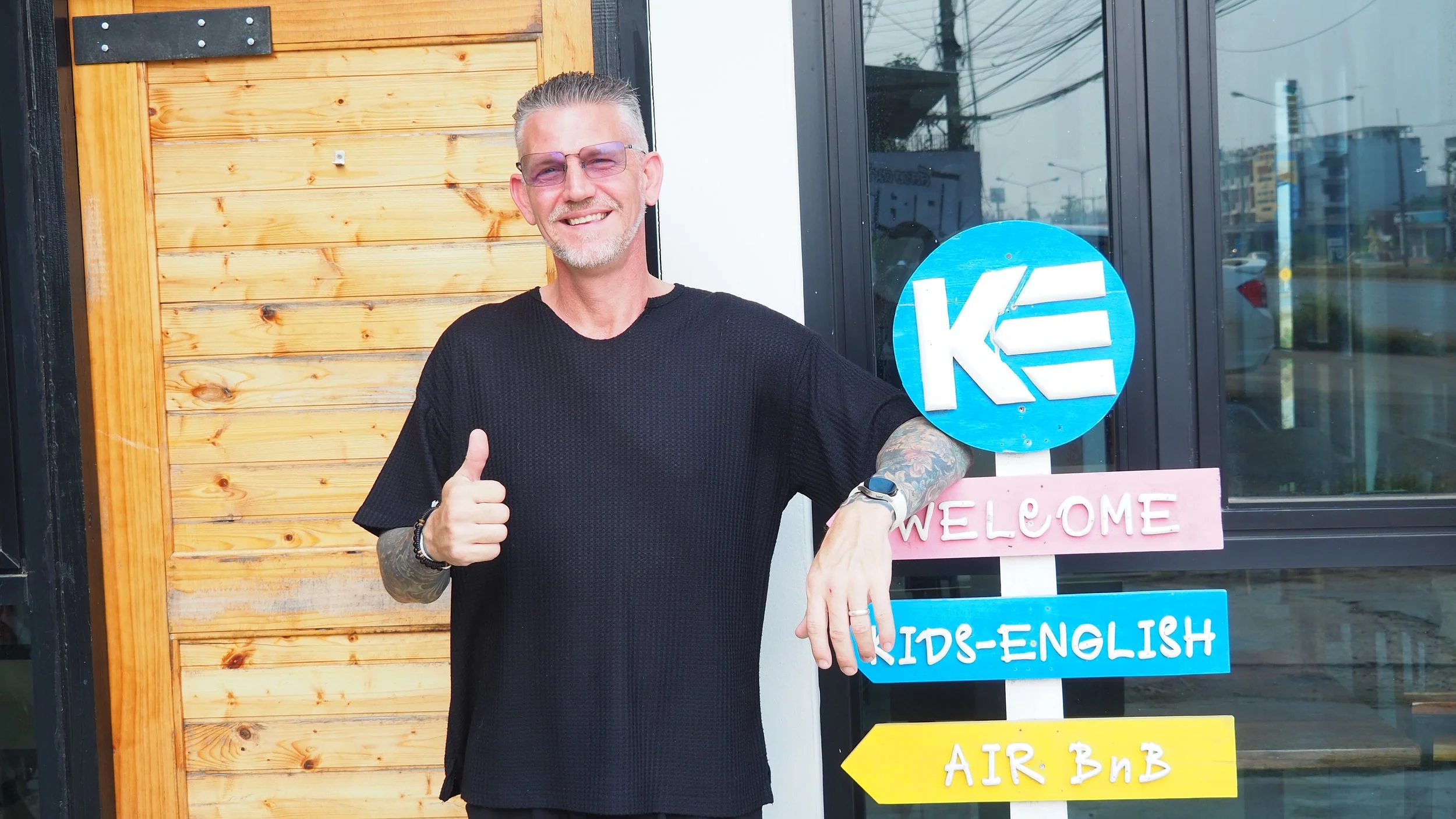
Written by Matthew John
Co-Founder & Operations Manager : 20 Years in ThailandMatthew John is the co-founder of Kids English Thailand (KET) and has spent 20 years guiding foreign educators through school placements, legal visas, and everyday life across Northern Thailand. He lives in Sukhothai with his family.
