
Thai Temples to Visit for Songkran
10 Thai Temples to Visit for Songkran:
Blessings, Merit & New Year Tradition 🛕🪷
Sawasdee from Ban Lum. While streets across Thailand fill with water play during the April school holidays, the heart of Songkran begins quietly at the local temple. In this guest guide from our partners at Twinkl Thailand — paired with our K.E.T. field notes — explore 10 revered temples across Bangkok, Ayutthaya, Chiang Mai, and central provinces where Thai families pay respects and seek blessings for the year ahead.
4 Historic Temples in Bangkok.
If you spend the April school break in Bangkok, these four royal temples along the Chao Phraya River and historic Phra Nakhon district offer unforgettable architecture and New Year merit-making.
1. Wat Pho (Wat Phra Chetuphon)
Established as a royal temple during the reign of King Rama I, Wat Pho is famous worldwide for its monumental Reclining Buddha statue (built under King Rama III, the third largest in Thailand) and its traditional Thai massage school.
Songkran Blessing Focus: Very popular among Thai visitors seeking blessings for love, harmony, and granted wishes.
2. Wat Arun (Temple of Dawn)
Rising beside the Chao Phraya River, Wat Arun is celebrated for its porcelain-encrusted central prang (spire), Grand Hall, and riverside chapels. Inside sits the revered Buddha statue in the Meditation Pose.
Songkran Blessing Focus: Worshippers visit to seek safety, protection from all dangers, and a bright new dawn for the year ahead.
3. Wat Benchamabophit (Marble Temple)
Originally known as Wat Laem or Wat Sai Thong, this temple was renovated and renamed by King Rama V. Its ordination hall is clad in gleaming white Carrara marble imported from Italy and houses a revered replica of Phra Buddha Chinnarat (from Phitsanulok).
Songkran Blessing Focus: A favorite destination for praying for good fortune in life and career advancement.
4. Wat Kalyanamit Woramahawihan
Built on the Thonburi bank of the Chao Phraya River during the reign of King Rama III by Chao Phraya Nikorn Bodhin (To Kalyanamitra), Wat Kalyanamit blends Thai and Chinese architectural styles and houses a towering seated Buddha image.
Offerings & Focus: Renowned for bamboo fortune sticks (siam see) and praying for safe travels and true friendships. Customary offerings: 3 incense sticks, 2 red candles, and a flower garland.
6 Revered Temples Across the Provinces.
From ancient Ayutthaya and the tallest stupa in Nakhon Pathom to the mountain views of Chiang Mai, these six temples draw families from across the country during Songkran.
5. Wat Phanan Choeng Worawihan
Located in historic Ayutthaya just north of Bangkok, this ancient temple enshrines Phra Buddha Trairatana Nayok ("Luang Por To"), one of the largest seated Buddha statues in Thailand, deeply revered by both Thai and Thai-Chinese communities.
Songkran Blessing Focus: Business owners pray for prosperity, students pray for exam success, and visitors stop at the Mae Sroi Dok Mak shrine for blessings in love.
6. Wat Sothorn Wararam Worawihan
An ancient temple along the Bang Pakong River in Phaet Riu (Chachoengsao), originally called "Wat Hong" after its swan pole. It houses the deeply revered Luang Por Phut Sothorn Buddha image.
Offerings & Focus: Famous for blessings in business, studies, and healing holy water. Worshippers famously bring boiled eggs to fulfill their vows when wishes come true.
7. Phra Pathom Chedi Rajaworawihan
One of Thailand's oldest and most important royal temples. Its inverted-bell stupa — Phra Pathom Chedi — rises 120.45 meters high with a base width of 53 meters, making it the tallest stupa in Thailand.
Songkran Highlight: Beautifully illuminated at night, it serves as the heart of Nakhon Pathom's Songkran merit-making and evening temple walks.
8. Wat Phra That Doi Suthep
Perched high on Doi Suthep Mountain overlooking Chiang Mai, this sacred Lanna royal temple features a gleaming golden chedi and a panoramic terrace offering 180-degree views of Chiang Mai city below.
Songkran Blessing Focus: A must-visit northern landmark during Pi Mai (Lanna New Year) to pray for good fortune, health, and financial success.
9. Wat San Chao (Sian Pae Rongsi)
Dating back over 200 years along the river in Pathum Thani, Wat Sala Jao (Wat San Chao) features a Mon-style stupa and the famous San Sien Pae (Master Pae Shrine), honoring Sien Pae Rong Si who helped restore the temple.
Songkran Blessing Focus: Draws visitors from across the Bangkok metro area praying for career advancement and business good fortune, plus a famous riverside market next door.
10. Wat Phra Mani (Luang Por Pak Daeng)
Located in Nakhon Nayok not far from Bangkok, Wat Phra Mani is home to the famous Luang Por Pak Daeng — an ancient seated Buddha statue known for its strikingly red lips.
Customary Offerings: Worshippers bring 9 clusters of Nam Wah bananas, 9 sets of betel leaves, 9 flower garlands, and a bottle of red drink to pray for good fortune and prosperity.

10 Songkran Temples at a Glance.
Compare locations, traditional blessing focuses, and daily opening hours before planning your Songkran temple visit.
| Temple & Province | Primary Blessing / Highlight | Typical Opening Hours & Customary Offerings |
|---|---|---|
| 1. Wat Pho (Bangkok) | Love, Wishes & Reclining Buddha | Daily: 8:00 AM – 6:30 PM · Birthplace of traditional Thai massage. |
| 2. Wat Arun (Bangkok) | Safety & Protection from Danger | Daily: 8:00 AM – 6:00 PM · Iconic Chao Phraya riverside prang. |
| 3. Wat Benchamabophit (Bangkok) | Career & Good Fortune in Life | Daily: 8:00 AM – 6:00 PM · Italian Marble Temple; Phra Buddha Chinnarat replica. |
| 4. Wat Kalyanamit (Bangkok) | Safe Travels & True Friendships | Daily: 7:00 AM – 5:00 PM · Offer 3 incense sticks, 2 red candles & garland. |
| 5. Wat Phanan Choeng (Ayutthaya) | Prosperity, Studies & Love Shrine | Mon–Fri: 7:00 AM – 5:00 PM · Weekends: 7:00 AM – 5:30 PM (Luang Por To). |
| 6. Wat Sothorn (Chachoengsao) | Business, Study & Healing Water | Mon–Fri: 7:00 AM – 4:30 PM · Weekends: 7:00 AM – 5:00 PM (Boiled egg vows). |
| 7. Phra Pathom Chedi (Nakhon Pathom) | Tallest Stupa in Thailand (120.45m) | Daily: 5:00 AM – 7:00 PM · Illuminated chedi courtyard in the evening. |
| 8. Wat Phra That Doi Suthep (Chiang Mai) | Good Fortune, Wealth & City Views | Daily: 6:00 AM – 8:00 PM · Sacred Lanna mountain temple above Chiang Mai. |
| 9. Wat San Chao (Pathum Thani) | Financial & Career Advancement | Daily: 7:00 AM – 5:00 PM · Master Pae Shrine (Sien Pae Rong Si). |
| 10. Wat Phra Mani (Nakhon Nayok) | Good Fortune (Luang Por Pak Daeng) | Daily: 7:00 AM – 6:00 PM · Offer 9 banana clusters, 9 betel sets, 9 garlands & red drink. |
Songkran Temple Manners & Twinkl ESL Resources.
How foreign teachers can participate respectfully in temple rituals and bring Thai cultural holidays into the ESL classroom.
1. Cover Shoulders & Knees
Even in April's 36°C heat, temple chapels require covered shoulders and trousers or skirts that reach the knee. Slip-on shoes make it easy to remove footwear at the steps of the ordination hall.
2. Gentle Scented Water Only
Water guns and street splashing stop at the temple gate. Inside the courtyard, use the small silver bowls provided to gently pour jasmine-scented water over the designated Buddha statues.
3. Don't Miss Local Heartland Wats
If you are placed in northern or central provinces like Sukhothai, Phitsanulok, or Lampang, visit your town's local wat on the morning of April 13 — you will often see your students' families building sand stupas (Chedi Sai) together.
Frequently Asked Questions.
Why do Thai people visit temples during the Songkran festival?
Visiting temples (Wats) during Songkran is a cherished Buddhist tradition to make merit, pour flower-scented water over Buddha statues (Song Nam Phra), build sand stupas (Chedi Sai), and seek auspicious blessings for health, love, career, and safe travels in the year ahead.
Which Bangkok temples are most popular to visit during Songkran?
Four of the most famous Bangkok temples to visit during Songkran are Wat Pho (home to the Reclining Buddha and popular for love blessings), Wat Arun (the Temple of Dawn, revered for safety and protection), Wat Benchamabophit (the Marble Temple, visited for career and life fortune), and Wat Kalyanamit (celebrated for safe travels and good friendships).
What are the unique offerings at Wat Sothorn and Wat Phra Mani?
At Wat Sothorn Wararam Worawihan in Chachoengsao, worshippers famously offer boiled eggs to Luang Por Phut Sothorn when their wishes are fulfilled. At Wat Phra Mani in Nakhon Nayok, visitors bring 9 clusters of Nam Wah bananas, 9 sets of betel leaves, 9 flower garlands, and a bottle of red drink to Luang Por Pak Daeng (the red-lipped Buddha).
Which temple has the tallest stupa in Thailand?
Phra Pathom Chedi Rajaworawihan in Nakhon Pathom features the tallest stupa in Thailand, standing 120.45 meters high with a base width of 53 meters. It is one of the oldest royal temples in the Kingdom and is beautifully illuminated at night.
What should foreign teachers wear when visiting a Thai temple during Songkran?
Even though Songkran is hot and known for street water fights, temple grounds are sacred spaces. Visitors must wear modest, dry clothing that covers the shoulders and extends to or below the knees, remove shoes before entering temple halls, and leave water guns outside.
Where can teachers find Songkran classroom activities and ESL resources?
Teachers can download bilingual Thai-English Songkran activity packs, cultural worksheets, and flashcards year-round on Twinkl Thailand (twinkl.co.th) and through the Kids English Thailand Twinkl ESL Resource Hub.
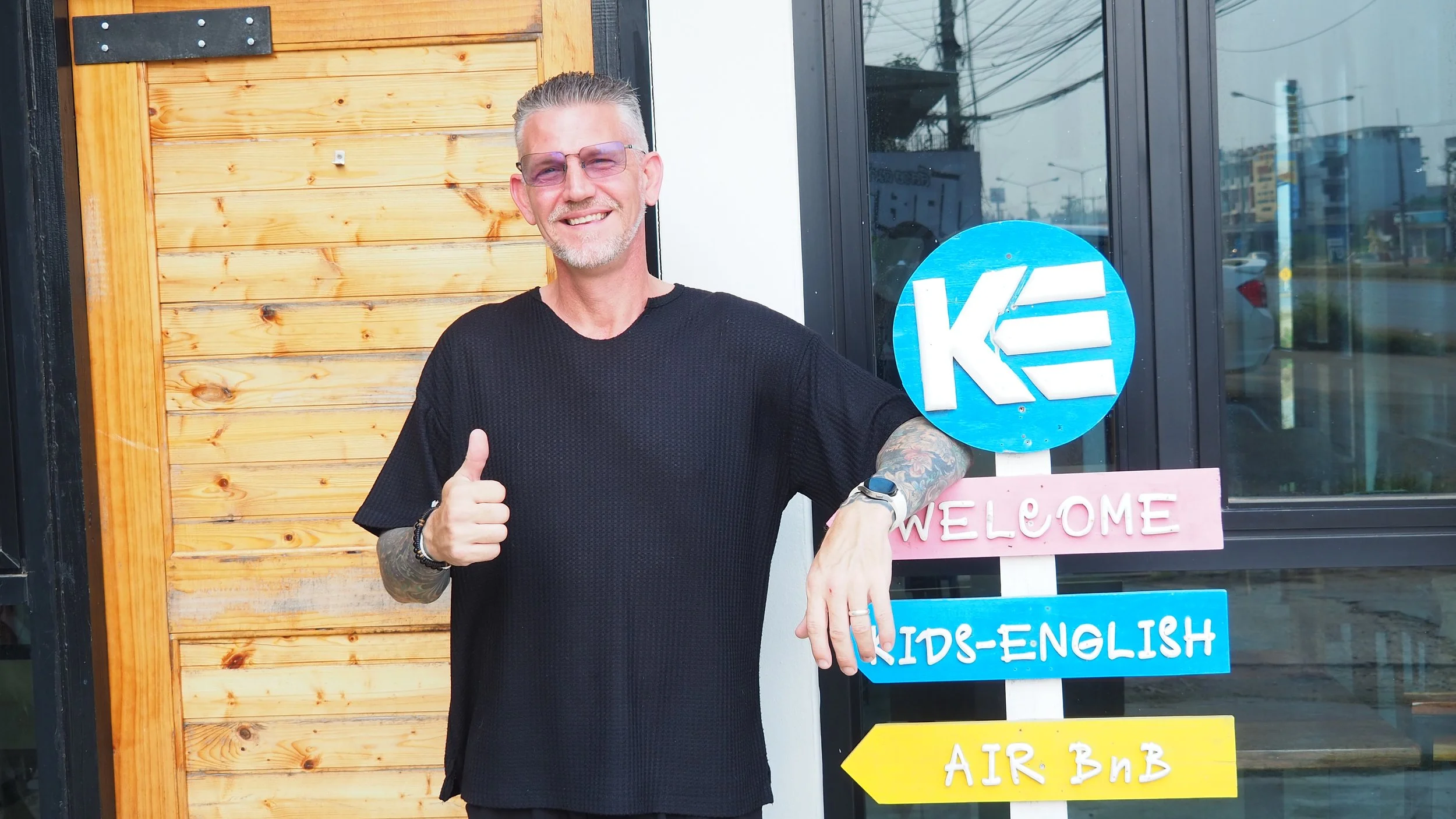
Guest Post by Thanisorn Boonchote (Twinkl Thailand) · Field Notes by Matthew John
Twinkl Thailand × Kids English Thailand Cultural SeriesWritten by guest author Thanisorn Boonchote at Twinkl Thailand — where curriculum writers, designers, and illustrators create instantly downloadable K–12 educational resources — with cultural field notes from Matthew John (Co-Founder of Kids English Thailand in Ban Lum, Sukhothai). Questions about teaching in Thailand? Email matthew@kids-english.org.