
Teaching in Thailand: 2026 Updated Guide
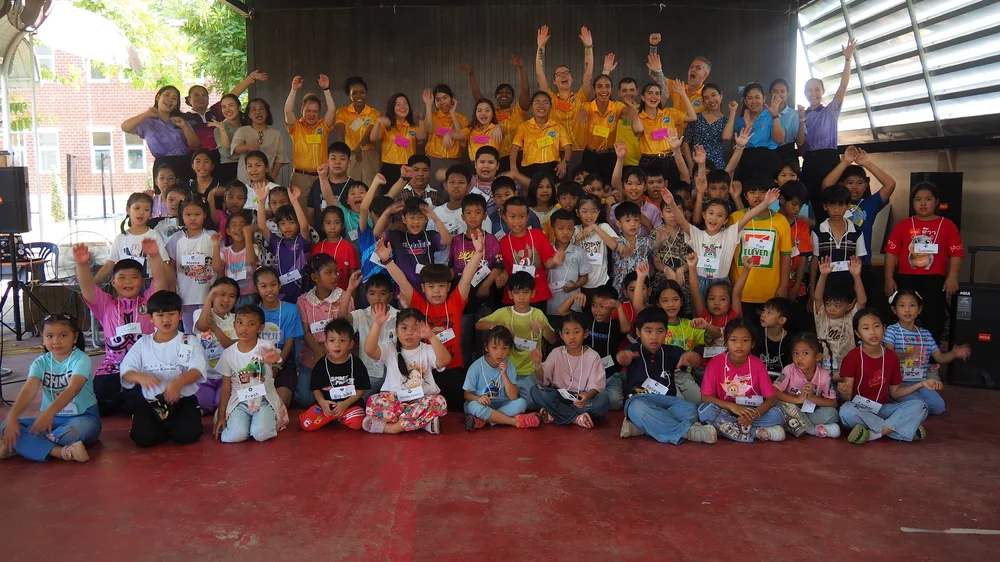
Teaching English in Thailand: 2026 Master Guide 🇹🇭
Navigating a teaching journey in Thailand offers rich cultural immersion and warm community connections. Drawing on 20 years of continuous on-the-ground experience, this practical field guide details degree requirements, Non-B visas, digital work permits, salary realities, and cultural settling across Thai schools.
To teach English legally in a formal paid school position in Thailand, you must hold a Bachelor's degree in any subject and a clean criminal background check. While immigration law does not require a TEFL certificate on its own, an accredited 120-hour TEFL is widely recommended by schools during recruitment to ensure classroom confidence. KET connects educators with verified school positions with zero placement fees, where typical net salaries range from 30,000 to 36,000 THB per month in regional areas, while private bilingual and Bangkok academies offer higher compensation bands. Work permits are now largely processed digitally through the Ministry of Labour with school sponsorship. Non-native speakers with strong English are welcomed by many schools. Explore more in our teaching salary guide and visa requirements overview.
01: Qualifications & Legal Paperwork
Straightforward facts on the documents needed for legal school employment.
"Over 20 years coordinating placements across Sukhothai, Phitsanulok, and nationwide, I have seen that thorough document preparation makes arrival calm and rewarding. Keep your original unlaminated degree safe, secure your national police clearance early, and take your time learning the classroom rhythm. The legal framework protects both you and the students you teach."Matthew John : KET Operations Manager & 20-Year Veteran
Bachelor's Degree 🎓
A physical Bachelor's degree in any discipline is the legal foundation required by the Ministry of Education and Ministry of Labour for a Non-B visa and work permit. Keep the original document unlaminated, and obtain official transcripts from your university. Candidates without degrees can consider volunteering residencies in Thailand.
120-Hour TEFL 📜
While a TEFL is not an immigration law on its own, most Thai schools expect an accredited 120-hour certificate during hiring. It equips you with practical lesson staging, board work techniques, and student engagement tools. Explore our accredited TEFL certification program.
Police Clearance 👮
A national-level criminal background check (such as FBI, DBS, or national police clearance) issued within 6 months is required. Depending on your home nationality, consular or embassy authentication is completed before deployment.
02: Visas & Digital Work Permits
How schools and agencies coordinate legitimate legal documentation.
🛂 The Non-B Visa
The Non-Immigrant B visa is the only valid entry visa for school employment. Your sponsoring school prepares an official packet of government letters, curriculum outlines, and director approvals. Working on a tourist visa or visa exemption is prohibited under Thai labour regulations.
Sponsorship: School & Agency Provided📱 Digital Work Permits
Work permits in Thailand are now largely managed through digital systems coordinated between the provincial Department of Labour and employing institutions. KET assists the school in assembling and filing your application after your arrival and routine hospital medical check.
Filing: Completed locally with school📋 Khurusapha Teaching Waivers
The Teachers' Council of Thailand (Khurusapha) oversees professional teacher licensing. For educators without an education degree, your employing school applies for a temporary teaching license waiver to authorize your classroom duties during your contract.
Administration: Handled by host school03: Realistic Salaries & Living Costs
Transparent information on compensation packages and daily living expenses.
💵 Compensation Benchmarks
Salaries in Thailand vary depending on school classification, regional living costs, and teacher experience. On KET paid school placements, foreign educators typically earn a net starting range of 30,000 to 36,000 THB per month with zero placement fees. Private bilingual programs and Bangkok international academies offer higher compensation bands, but living costs in central Bangkok are correspondingly higher.
In regional provinces such as Sukhothai, Phitsanulok, and Lampang, accommodation and fresh market food are affordable, allowing educators to cover rent, dining, and weekend exploration comfortably while putting aside modest savings. Learn more in our detailed teaching salary guide.
| Institution Type | Typical Net Salary | Placement Fee | Key Living Features |
|---|---|---|---|
| KET Partner Government Schools | 30,000 – 36,000 THB / month | $0 (Zero Placement Fee) | Welcoming community, low regional housing costs, full holiday integration. |
| Private Bilingual Schools | 35,000 – 50,000+ THB / month | Varies by employer | Air-conditioned campuses, higher teaching contact hours, English program pacing. |
| International Academies | 60,000 – 120,000+ THB / month | Direct hiring / agencies | Western curriculum, home-country teaching credentials and licenses preferred. |
Studio Rentals 🏠
Furnished studio flats in regional school towns commonly cost 3,500 to 6,000 THB monthly, whereas central Bangkok units generally run 9,000 to 18,000+ THB depending on transit access.
Food & Dining 🍜
Freshly prepared dishes at local morning markets and family-run stalls typically cost 40 to 60 THB per meal, keeping daily food budgets very manageable.
Single-Semester Option 🔄
Teachers looking for a focused contract often choose a single term (Semester 1 from May to October, or Semester 2 from November to March). Discover our one-semester placements in Thailand.
04: Orientation in Sukhothai & Cultural Harmony
Starting your placement with personal mentorship, cultural grounding, and professional confidence.
🏛️ Sukhothai Orientation
New educators joining KET begin with our community orientation program in historic Sukhothai. We cover real classroom simulations, lesson staging, basic conversational Thai phrases, motorbike safety briefings, and introduction video coaching before you step into your host campus.
Orientation: In-Person Field Mentorship👔 Professional Campus Attire
Teachers are regarded as respected mentors in Thai society. Male educators wear collared dress shirts, tailored trousers, and dress shoes. Female educators wear modest blouses covering the shoulders and skirts or dresses that fall to or past the knee.
Standard: Clean, Conservative & Modest🌏 Non-Native English Educators
Thai schools regularly hire qualified non-native English speakers who demonstrate clear spoken communication, holding a Bachelor's degree and accredited TEFL training. While individual school policies vary on language tests (such as TOEIC or IELTS), opportunities exist across all provinces. Learn more in our guide for non-native teachers.
Pathways: Open Across Multiple Provinces05: Your 4-Phase Deployment Roadmap
A structured sequence from initial paperwork to your first day of class.
Dossier Assembly 🗂️
Organize your unlaminated Bachelor's degree, university transcripts, and current criminal background check. Authenticate documents via required embassy channels before travel.
TEFL & Video Intro 🎬
Complete an accredited 120-hour TEFL and record a friendly, professional 60-second video introduction introducing your background, teaching interests, and enthusiasm for Thai culture.
School Placement & Non-B 🛂
Apply to verified schools through KET with zero placement fees. Once placed, your host school coordinates official visa sponsorship papers for your Non-B entry application.
Arrival & Work Permit 🏫
Arrive for orientation in Sukhothai, complete your medical screening, finalize your digital work permit with school coordinators, and begin teaching with local support.
Frequently Asked Questions.
01. Can I teach in Thailand without a Bachelor's degree in 2026?
For formal paid teaching positions under a Non-B visa and official Thai Work Permit, a Bachelor's degree in any field is the legal foundation required by the Ministry of Education and Ministry of Labour. Candidates without a degree can explore unpaid volunteer residencies or cultural programs instead.
02. Is a 120-hour TEFL certificate legally mandatory for a visa?
While Thai immigration law technically centers on your Bachelor's degree and background check for the Non-B visa, an accredited 120-hour TEFL certification is widely expected and recommended by most Thai schools during recruitment to demonstrate practical classroom readiness.
03. What salary can foreign English teachers expect in Thailand?
Typical starting salaries for foreign teachers in government schools and KET placements range from 30,000 to 36,000 THB per month, providing solid purchasing power in regional provinces. Private bilingual schools and international academies offer higher compensation depending on credentials, subject specialization, and location.
04. Can non-native English speakers teach in Thailand?
Yes. Non-native speakers holding a Bachelor's degree and demonstrably strong English proficiency are regularly hired across Thailand. Many schools request language benchmark scores such as TOEIC or IELTS, but individual hiring decisions depend on each school.
05. What is the process for the Non-B visa and Work Permit?
Your hiring school and placement organization file official sponsorship documentation with Thai educational and labour authorities. Once you receive your initial Non-B visa, your work permit (which is now largely issued digitally) is finalized after arrival with supporting medical and employer paperwork.
06. What is the standard dress code for teachers in Thai schools?
Professional and modest attire is expected across Thai schools. Male teachers wear collared dress shirts, tailored trousers, and closed-toe shoes. Female teachers wear modest blouses covering the shoulders and skirts or dresses extending to or past the knee.
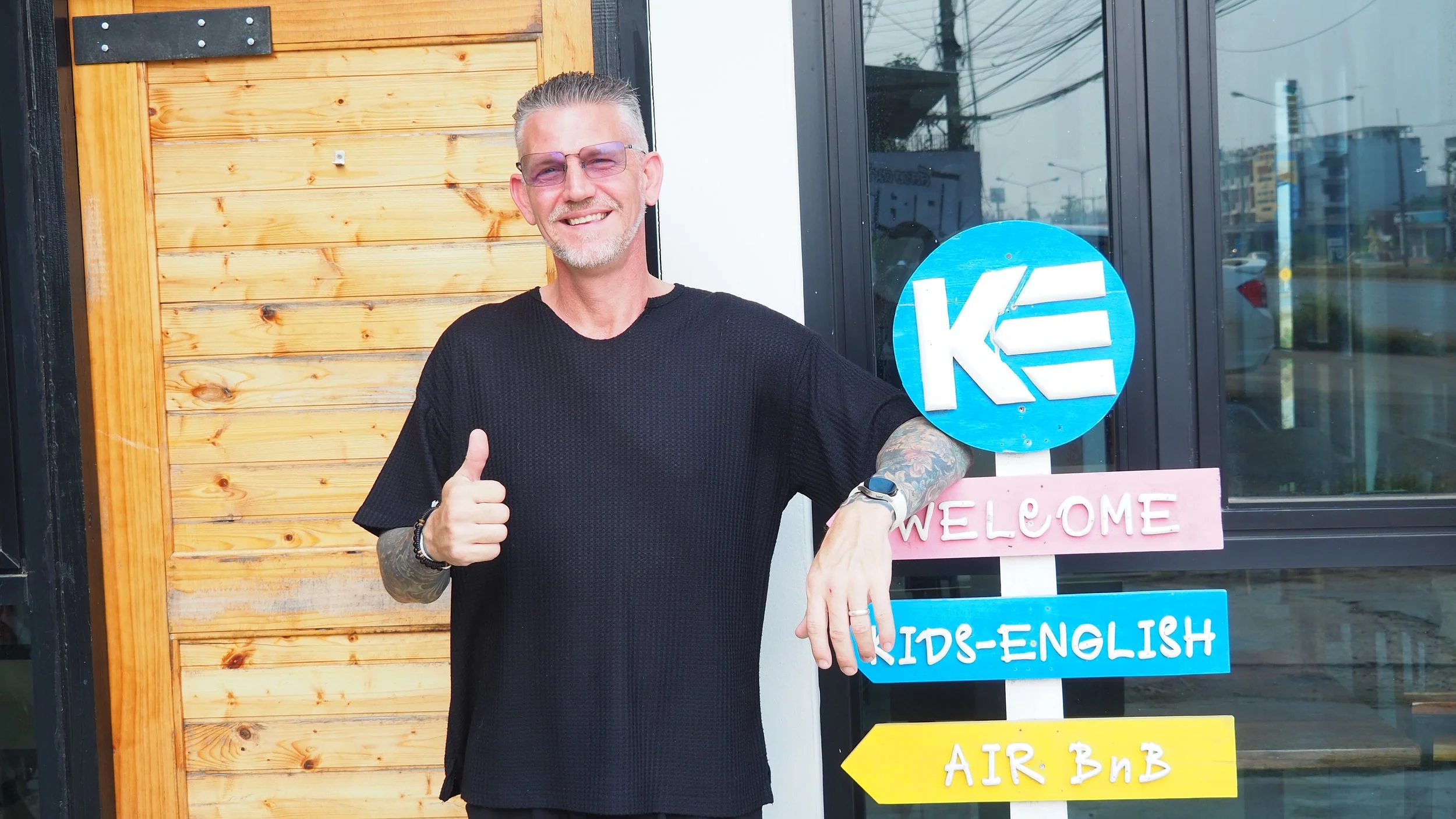
Matthew John
Co-Founder & Operations Manager : 20-Year VeteranMatthew John is the co-founder of Kids English Thailand (KET) with 20 years of continuous on-the-ground experience in Thai educational management. Matthew guides foreign teachers through orientation in Sukhothai, school placement support, and cultural confidence across Thailand.
