
Mother’s Day and Father’s Day in Thailand: Wan Mae and Wan Pho
Blue and Jasmine in August.
Yellow and Canna in December
I've lived in Thailand for 20 years, and from our office in Ban Lum I tell every new teacher the same thing: learn these two dates. Wan Mae is in August and Wan Pho is in December. Follow your Thai colleagues, stay respectful, and you'll be fine.
01: Two Days of Family Thanks
Family, gratitude and respect for the royal family.
"After 20 years here, I can say these two days are not commercial. Children thank their parents, and schools thank the people who care for them. Ask your Thai co-teacher what your school does, wear what the staff wear, and keep your voice low."Matthew John : Co-Founder & Operations Manager, KET
The Royal Birthdays 👑
The two dates are the birthdays of Queen Sirikit (12 August) and King Bhumibol Adulyadej (5 December). Many Thais honour them as mother and father figures of the nation.
Family Words 🤝
Thai people use family words with everyone: Phee (พี่, older), Nong (น้อง, younger), Pa (aunt) and Lung (uncle). These days honour parents and also the older people who look after us.
Teachers Are Thanked Too 🏫
Teachers are highly respected in Thailand. In some schools students offer flowers or garlands to teachers, including foreign teachers. Accept them with a smile and a wai.
02: Mother's Day: Wan Mae, 12 August
The birthday of the late Queen Sirikit, the Queen Mother.
Queen Sirikit's Birthday 👑
Queen Sirikit was born on 12 August 1932. She supported rural crafts such as handwoven silk. In 1976 her birthday was chosen as National Mother's Day, and it is a public holiday.
Public holiday: check your calendarDok Mali: Jasmine 🌼
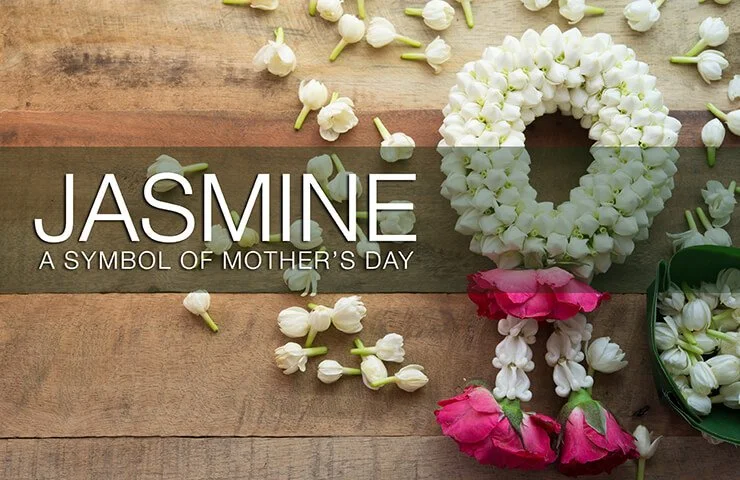
White jasmine (dok mali, ดอกมะลิ) is woven into garlands and given to mothers. Its white flowers and sweet scent stand for a mother's constant love.
Jasmine garlandsLight Blue 💙
Light blue is commonly worn in August because Queen Sirikit was born on a Friday, and Friday's colour is blue in the Thai day-colour tradition. Many staff wear it at school. Follow what your colleagues wear.
Thanks to Mothers 🙏
Families often make merit, share a meal or give a small gift. At some ceremonies children offer a garland and bow before their mother. Watch first, then join in.
More for teachers in our dedicated guide to Mother's Day in Thailand.
03: Father's Day: Wan Pho, 5 December
The birthday of the late King Bhumibol Adulyadej (Rama IX).
King Bhumibol's Birthday 👑
King Bhumibol was born on 5 December 1927 and reigned for seven decades. 5 December is also National Day and a public holiday. When it falls on a weekend a substitute day is usually given, so check your calendar.
Yellow 💛
Yellow is commonly worn in December because King Bhumibol was born on a Monday, and Monday's colour is yellow in the Thai day-colour tradition. You will see many people in yellow. Follow what your school staff wear.
Dok Phuttharaksa: Canna 🌼
The yellow canna (dok phuttharaksa, ดอกพุทธรักษา) is the flower of Father's Day. The name is often explained as "the Buddha protects".
Family Time 👨👧
Families often gather, make merit at a temple or share a meal. Some places run local events or offers for fathers, but these change, so check locally.
04: Colours and Flowers
Commonly worn and commonly seen. Follow your staff.
| Day | Date | Honours | Colour | Flower | Greeting |
|---|---|---|---|---|---|
| Mother's Day วันแม่ (Wan Mae) |
12 August | Queen Sirikit, the Queen Mother | Light blue (Friday) | Jasmine, ดอกมะลิ | สุขสันต์วันแม่ (Suk san wan mae) |
| Father's Day วันพ่อ (Wan Pho) |
5 December | King Bhumibol Adulyadej (Rama IX) | Yellow (Monday) | Canna, ดอกพุทธรักษา | สุขสันต์วันพ่อ (Suk san wan pho) |
05: What Happens at School
Formats vary. Ask your Thai co-teacher.
Assembly Before the Holiday
Many schools hold an assembly on the school day before the holiday. It is common, not fixed, and some schools invite parents while others keep it inside the school.
Thanks to Parents
Some schools give certificates or small gifts to parents and community helpers. You may be asked to stand, clap or take photos.
Card-Making Lessons
English teachers often help with cards. Keep the English short and simple: "Happy Mother's Day. I love you." Children take them home.
Garlands for Teachers
Some students give garlands to their teachers. Say thank you (khop khun khrap/kha), give a small wai and keep the flowers somewhere safe.
06: Around Town
What you may see outside school.
Portraits and Lights
Around both dates, towns and government buildings often put up portraits, flags and lights. Bangkok's Ratchadamnoen Avenue is one place you may see this.
Evening Tributes
Some places hold evening ceremonies or candlelight gatherings. Treat them as quiet, respectful events. More regional holidays are in our festivals in Thailand guide.
07: How to Join Respectfully
Short, calm and simple.
🛠️ How to Join Mother’s Day and Father’s Day at a Thai School
-
Ask What Staff Will Wear
Light blue is commonly worn for Mother’s Day and yellow for Father’s Day. Ask your Thai co-teacher and follow what the staff wear.
-
Know the Flowers
White jasmine garlands (dok mali) are common on Mother’s Day. The yellow canna (dok phuttharaksa) is the flower of Father’s Day.
-
Greet Colleagues Politely
Say “Suk san wan mae khrap/kha” or “Suk san wan pho khrap/kha” with a small wai.
-
Join the Ceremony Quietly
Sit with your department, follow the Thai staff and stay respectful. Do not joke about the royal family.
Not sure what to wear? Read our teacher dress code guide and ask your co-teacher. Not sure how to greet? See our Wai guide. If you're unsure, watch first and follow the staff.
Two Useful Apps for Teachers
For school event announcements and travel. More in our Thailand apps guide.
Wan Mae and Wan Pho Questions
When is Mother’s Day in Thailand?
Mother’s Day (Wan Mae) is on 12 August, the birthday of the late Queen Sirikit, the Queen Mother. It is a public holiday.
When is Father’s Day in Thailand?
Father’s Day (Wan Pho) is on 5 December, the birthday of the late King Bhumibol Adulyadej (Rama IX). It is a public holiday and also National Day.
What colours do people wear on these days?
Light blue is commonly worn for Mother’s Day, because Queen Sirikit was born on a Friday. Yellow is commonly worn for Father’s Day, because King Bhumibol was born on a Monday. As a teacher, follow what your school staff wear.
What flowers go with Mother’s Day and Father’s Day?
White jasmine (dok mali) garlands are given to mothers on Mother’s Day and stand for a mother’s constant love. The yellow canna (dok phuttharaksa) is the flower of Father’s Day.
How do Thai schools mark these days?
Many schools hold an assembly on the school day before the holiday, but it is not fixed and formats vary. You may see songs, cards, garlands and children showing respect to parents and teachers. Ask your Thai co-teacher what your school does.
Are schools closed on Mother’s Day and Father’s Day?
Both dates are public holidays, so government offices and banks are usually closed and most schools close too. The school calendar decides, and holiday dates can shift. If a date falls on a weekend, a substitute day is usually given, so check your calendar.
How should a foreign teacher behave on these days?
Stay calm and respectful, and follow your Thai colleagues. Do not joke about the royal family or make casual remarks about them.

Matthew John
Co-Founder & Operations ManagerI'm Matthew, co-founder of Kids English Thailand. I've lived in Thailand for 20 years and work from our office in Ban Lum, Sukhothai. Since 2009 we have placed over 1,500 teachers in Thai schools, and I still learn something from my Thai colleagues every year.
