
Teaching Jobs in Thailand: How to Choose an Agency That Stays
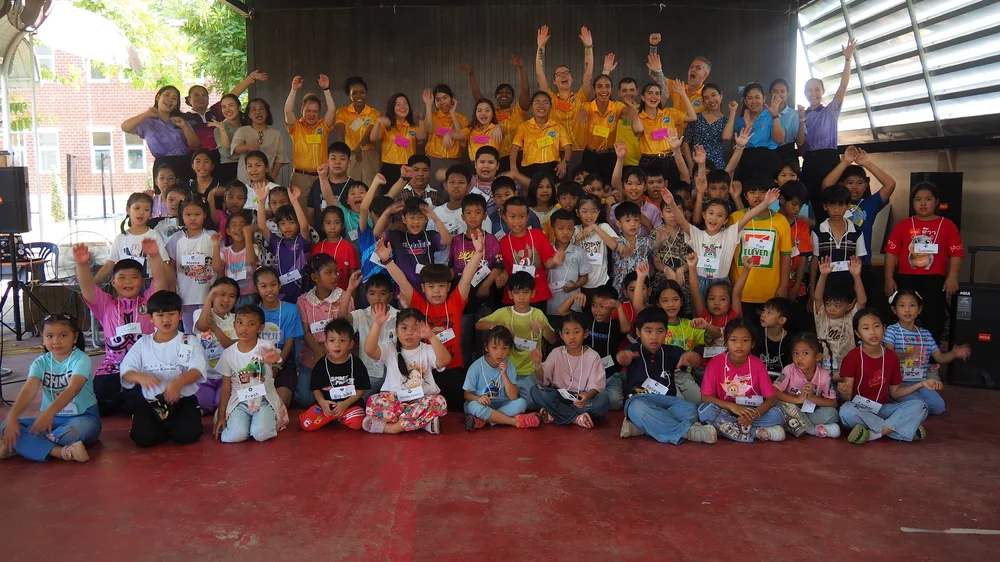
Named School. No Fee to You
Sawasdee from Ban Lum. A decent agency names the school before you book the flight, does not charge you a placement fee, and does not tell you a tourist stamp is a job. Degree for paid work. Volunteer path if you do not have one.
Most horror stories from foreign teachers in Thailand trace back to one thing: a broker who promised the world and vanished after landing. A competent agency does not charge you a placement fee. They match you with a named school before you board your flight, walk you through the Non-B visa paperwork, introduce you to your coordinator, and pick up the phone when your apartment air conditioner leaks in July.
What the Right Agency Actually Does.
Good agencies act as an honest bridge between Western expectations and Thai school culture. You should feel guided, not managed or kept in the dark.
1. Honest School & Location Details
You should know the exact name of your school, its town, student ages, and syllabus expectations before you accept. If an agency says "somewhere in the North" without giving a school name, they have not confirmed the placement.
2. Real Contact Hours
A fair teaching load is 18 to 22 periods per week. Good agencies put this in writing so the school does not unexpectedly load you with 28 periods plus weekend camps without extra pay.
3. Visa and Work Permit Coordination
Neither KET nor any agency is the Ministry of Labour. But a solid agency coordinates with your school to produce the official WP3 invitation letter, helps you with the e-Visa portal, and accompanies you to the provincial labour office for biometric checks.
4. Ground-Level Housing Help
Instead of leaving you stranded at an airport hotel, a good team inspects apartments in advance, checks for reliable air conditioning, and walks the soi with you to meet the landlord.
Agency Red Flags: When to Walk Away.
If you run into any of these four situations during your interview process, pause and ask questions before sending documents.
1. Placement Fees Charged to the Teacher
Legitimate agencies in Thailand are paid by the schools or provincial education departments to recruit and support teachers. You should never pay hundreds of dollars just to be handed an interview or contract.
2. "Degrees Are Optional for Paid Jobs"
The Ministry of Education and Ministry of Labour require a bachelor's degree to issue a teacher license waiver and formal work permit. If a recruiter claims you can work legally long term on a tourist or student visa, walk away.
3. No School Name Until Arrival
Being told to fly to Bangkok and wait in a hostel while they "find you a spot" means they are speculating on vacancies. Insist on a named school, town, and verified point of contact before booking international flights.
4. The "Unpaid Trial Month"
Orientation and training can take a few days, but you should never teach full school weeks without salary. Your contract should clearly specify the start date, payday, and paid school holidays.
The KET Approach: No Chest-Beating.
Kids English Thailand started in 2009 in Ban Lum, Sukhothai. We are a registered Thai agency (Labour Licence #0110/2562) run by a local family team alongside Matthew John, who has lived and worked in northern Thailand for 20 years.
We do not pretend to be the Thai Ministry of Education, and we do not claim to offer 150,000 THB corporate executive salaries. Our mission is practical: we match qualified graduates with respected public, bilingual, and English Program schools in northern and central provinces at $0 placement fee to the teacher.
- We vet every school: We inspect classrooms, talk to the English head, and confirm clean teacher quarters.
- We guide the paperwork: From degree legalization to your Non-B visa and digital work permit.
- We stay in touch: Our Sukhothai office answers your LINE messages when you need advice on lesson planning or cultural questions.
Your First 30 Days: How to Settle In.
Adjusting to a Thai school is mostly about patience, observation, and warmth. Here are five simple habits that make your first month easy.
1. The Department LINE Group
Daily timetable swaps, yellow shirt days on Mondays, and unexpected temple holidays appear in the department LINE chat. Check our full Thailand app survival guide to get set up properly.
2. Professional Dress Counts
Thai schools take appearance seriously. Men wear tailored trousers and collared shirts with ties for assembly. Women wear below-the-knee skirts or modest trousers. Clean shoes build immediate trust with senior teachers.
3. Morning Flag Assembly
Assembly happens around 8:00 AM every morning for the national anthem, student prayers, and announcements. Being on time and standing respectfully with your department shows solidarity from day one.
4. Wai Kru and Ceremonies
During Teacher Appreciation Day (Wai Kru), students present floral arrangements to show gratitude. It is a moving tradition. Learn how to return greetings properly in our guide on the importance of the Wai.
5. Do Not Book Flights on Rumour
School exam schedules shift, and sports days (See Fah) can move teaching days around. Always double-check official term dates with your coordinator before booking non-refundable holiday travel. Review the Thai school calendar.
6. Everyday Thai Communication
A friendly smile, gentle tone, and basic Thai greetings help dissolve misunderstandings quickly. Read our practical notes on communicating in Thailand.
School Types & Typical Salary Ranges.
Salaries in Thailand reflect school budgets, qualifications, and local living costs. Here is an honest overview of how positions compare across the country.
| School Category | Typical Monthly Pay | Contact Hours | Qualifications Needed |
|---|---|---|---|
| Government Schools (OBEC) | 30,000 to 36,000 THB | 18–22 hrs / week | Bachelor's degree in any field + TEFL recommended |
| English Program (EP) / Bilingual | 35,000 to 50,000 THB | 16–20 hrs / week | Bachelor's degree + strong classroom communication |
| Tier-2 Private Academies | 45,000 to 65,000 THB | 16–18 hrs / week | Relevant subject degree or classroom track record |
| Accredited International Schools | 80,000 to 140,000+ THB | 12–16 hrs / week | Home country teaching license (QTS/PGCE/State cert) |
*For full breakdown of tax deductions, regional living expenses, and contract variations, explore our detailed guide to teaching salaries in Thailand and live opportunities on our teaching jobs overview.
Monthly Budget & Savings Estimator.
Adjust typical monthly salary and location to see estimated living expenses and illustrative savings. Exchange rates fluctuate around 34 to 36 THB per USD.
*Illustrative values only. Personal spending on western dining, cafe visits, scooter hire, and weekend trips varies significantly.
Frequently Asked Questions.
Do I need prior classroom experience to get placed?
Prior experience is not mandatory for entry-level government or bilingual school jobs. Thai administrators prioritize clear spoken English, patient energy, appropriate school dress, and an open attitude over years of teaching history.
Can non-native English speakers find legal placements in Thailand?
Yes. Non-native speakers with a bachelor's degree and demonstrable English fluency regularly teach on legal Non-B visas and work permits. Schools look for clear pronunciation and confidence during your video interview rather than specific passport origin alone.
What does typical KET pay look like compared to Bangkok international schools?
KET partner schools in northern and central provinces offer realistic net salaries of about 30,000 to 36,000 THB per month on government and standard English Program contracts. International schools in Bangkok pay 80,000 to 150,000 THB or more, but they represent a separate tier that requires Western state teaching credentials and subject specialisms.
Do I need a bachelor's degree to teach, or can I volunteer instead?
A bachelor's degree is legally required by the Ministry of Education and Ministry of Labour to issue a teaching work permit and Non-B extension. Candidates without degrees cannot take paid teaching posts, but they can join structured volunteer residencies and community camp projects.
What are normal working hours and teaching loads in Thai schools?
Classroom contact hours generally run between 18 and 22 hours per week. Gate-to-gate campus presence is typically 7:45 AM to 4:00 PM Monday through Friday, including morning flag assembly, lesson planning periods, and occasional school festival duties.
How do I spot an untrustworthy agency before boarding my flight?
Watch for agencies charging upfront placement fees to the teacher, refusing to name your specific school before you fly, claiming degrees are optional for paid work permits, or asking you to teach on a tourist visa indefinitely. A reputable agency never charges the teacher for matching and shares your school location openly.
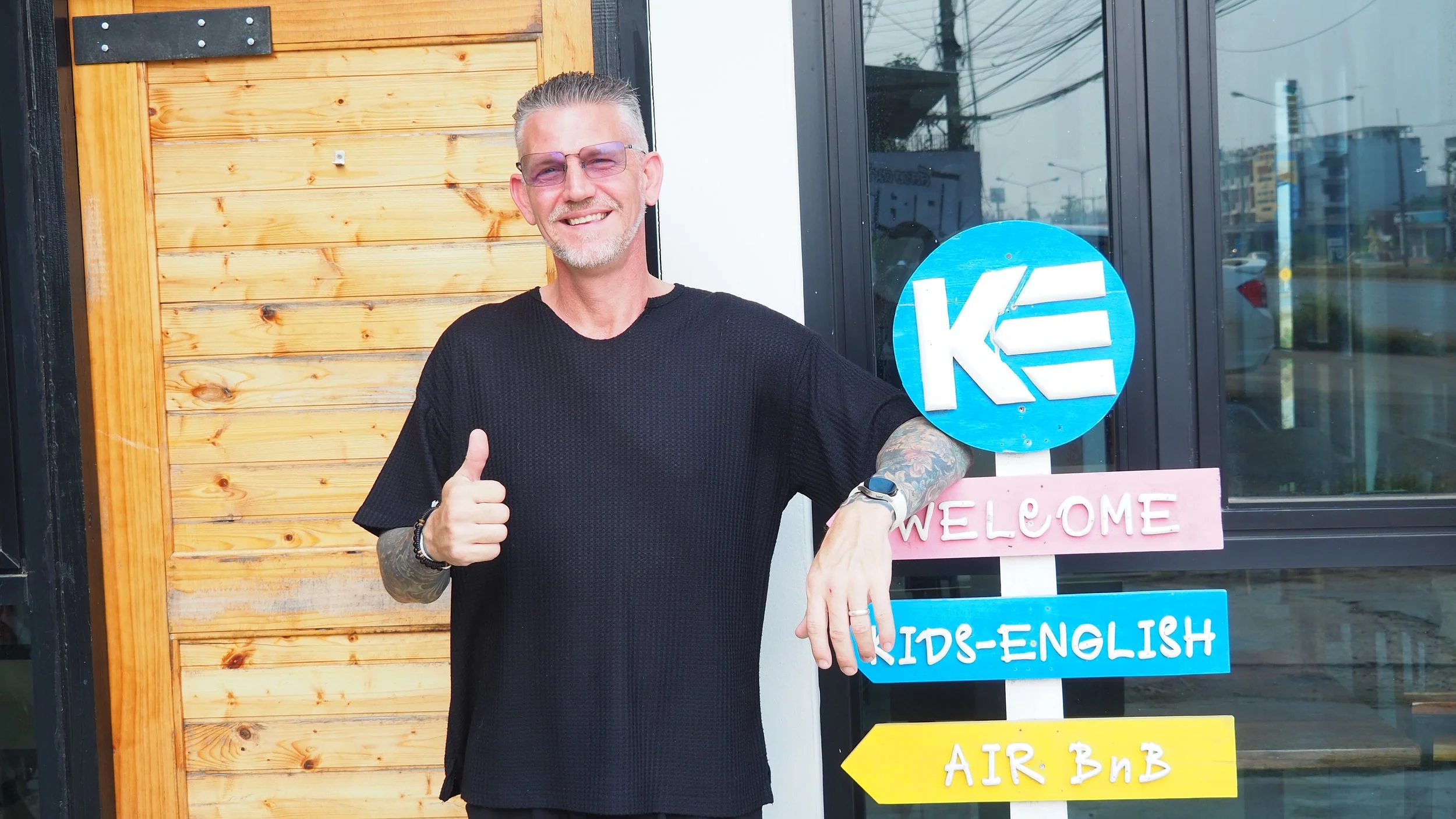
Matthew John
Co-Founder & Operations Manager · 20 Years in ThailandMatthew arrived in Northern Thailand 20 years ago and lives in Ban Lum, Sukhothai with his family. He oversees teacher placements, school orientations, and legal onboarding across central and northern provinces. For volunteer discussions or residency questions, reach out via matthew@kids-english.org.
