
Thai Bidet Shower vs Toilet Paper: To Bidet or Not To Bidet
Toilet Paper vs Bidet Shower in Thailand:
Practical Teacher Field Notes 🚿📋
Sawasdee from Sukhothai. When teachers arrive in Thailand, one of the first cultural adjustments occurs inside the bathroom. This guide covers handheld bidet sprayers, wet-room tile floors, paper bins, squat pans, and everyday school routines with clarity and good humor.
Water and Paper: How Thai Bathrooms Function
Understanding how water-based cleansing and municipal plumbing balance in daily life.
"Over 20 years living in Sukhothai and coordinating placements across Northern Thailand, I have seen almost every newly arrived teacher navigate the bidet shower adjustment. Once you understand the mechanics and learn to test the pressure first, water cleansing becomes second nature and feels remarkably practical in tropical weather."Matthew John : KET Operations Manager & 20-Year Veteran
Water as Primary Cleanser
In Thai homes, apartments, and schools, the handheld spray is used first for washing with water. Toilet paper, when available, is used second strictly to pat dry. In tropical heat, this habit prevents chafing and feels far fresher throughout a long teaching day.
The Waste Bin Tradition
You will notice a small pedal bin next to nearly every toilet. In government schools, older campus wings, and rural areas, drainage pipes are narrower and septic tanks fill quickly. Placing used paper in the bin rather than flushing prevents stubborn blockages.
Follow the Room Sign
Certain newly built condominiums and international airport facilities have updated plumbing systems that permit flushing small amounts of paper. Look around the stall: if there is a sign asking you not to flush paper, respect the building rules.
Bathroom Systems: What Teachers Encounter Across Thailand
How facilities compare from modern shopping complexes to traditional provincial school blocks.
| Restroom Type | Primary Hardware Setup | Common Locations | Teacher Field Context |
|---|---|---|---|
| Western Hybrid with Hand Sprayer | Sit-Down Bowl + Handheld Hose | Teacher apartments, modern school faculty offices, hotels, and roadside service stations. Standard setup for everyday living. | |
| School Campus Wet Room | Tiled Sit-Down or Squat Pan + Bin | Student and faculty blocks on school grounds. Floors are frequently wet from cleaning. Keep your shoes on and roll up trouser cuffs. | |
| Traditional Bucket & Dipper | Water Basin + Plastic Dipper (Khan) | Older school wings, countryside temple fairs, and rural markets. Use the dipper to wash and pour several scoops into the bowl to flush. | |
| Automated Electronic Smart Toilets | Nozzle Sprayers + Air Dryers | Modern Bangkok shopping centers (such as Central or Terminal 21) and major terminals at Suvarnabhumi (BKK) and Don Mueang (DMK). |
Facility Context Note
Airports and large city shopping malls are generally cleaner and better stocked than provincial school blocks. On campus, keep in mind that primary school children use the facilities frequently throughout the day, and school maintenance staff wash down tiled stalls between periods.
Using the Hand Sprayer: Practical Tips for Teachers
How to use the spray comfortably while keeping your work clothes completely dry.
Test Into the Bowl First
Never press the trigger blindly. Squeeze gently into the toilet bowl first to check the water pressure. Some school buildings have gentle pressure, while others have stronger flow that requires a very light touch on the trigger.
Mind the Weather and Angle
During the hot season in April and May, water sitting in pipes exposed to direct sunlight can be warm. Run the spray for two seconds into the bowl. Lean forward slightly and keep your trousers or skirt gathered forward away from the water line.
Drying and Pressure Control
Use a few squares of pocket tissue to pat dry, and place the paper in the bin provided. In your apartment, you can often adjust the small valve on the water pipe behind the toilet to permanently dial down high pressure.
The Wet-Room Floor Reality
Restroom floors in Thailand are often wet because maintenance staff use hoses to wash tiles down regularly, and water drains to a floor drain. Keep your professional shoes on, avoid setting your bag on the wet floor, and zip your phone into a secure pocket so it does not slide out when you bend down.
Tissues, Soap & Handwashing: School Readiness
Essential daily items to pack in your school teaching bag.
Pocket Tissue Packs
School restrooms rarely provide toilet paper inside individual cubicles. Keep a travel pack of tissues in your teacher satchel or desk drawer so you are never caught unprepared between morning classes.
Personal Hand Sanitizer
Soap dispensers at school sinks can run empty during busy school days. Carrying a small bottle of alcohol hand spray or gel ensures you can sanitize your hands before lunch and staff meetings.
Handwashing Customs
Traditional Asian customs historically connect the left hand with personal washing and the right hand with eating or greeting. In practice today, thorough handwashing with soap at the sink is what matters most.
Health and Hydration Context
Good hygiene supports overall health while adjusting to new foods and climate conditions in Thailand. For broader health and hydration information, read our guide on travel and health tips and our field briefing on drinking water options in Thailand.
Bathroom & Bidet Spray FAQs
Clear answers to common questions about bathroom customs and facilities in Thailand.
Do people use the bidet sprayer or toilet paper first in Thailand?
Can you flush toilet paper down the toilet in Thailand?
What should I do if a public or school restroom has no toilet paper or soap?
How do you control the water pressure on a Thai bidet sprayer?
What should I expect in a traditional wet-room or bucket-flush bathroom?
Is handwashing etiquette different in Thailand?
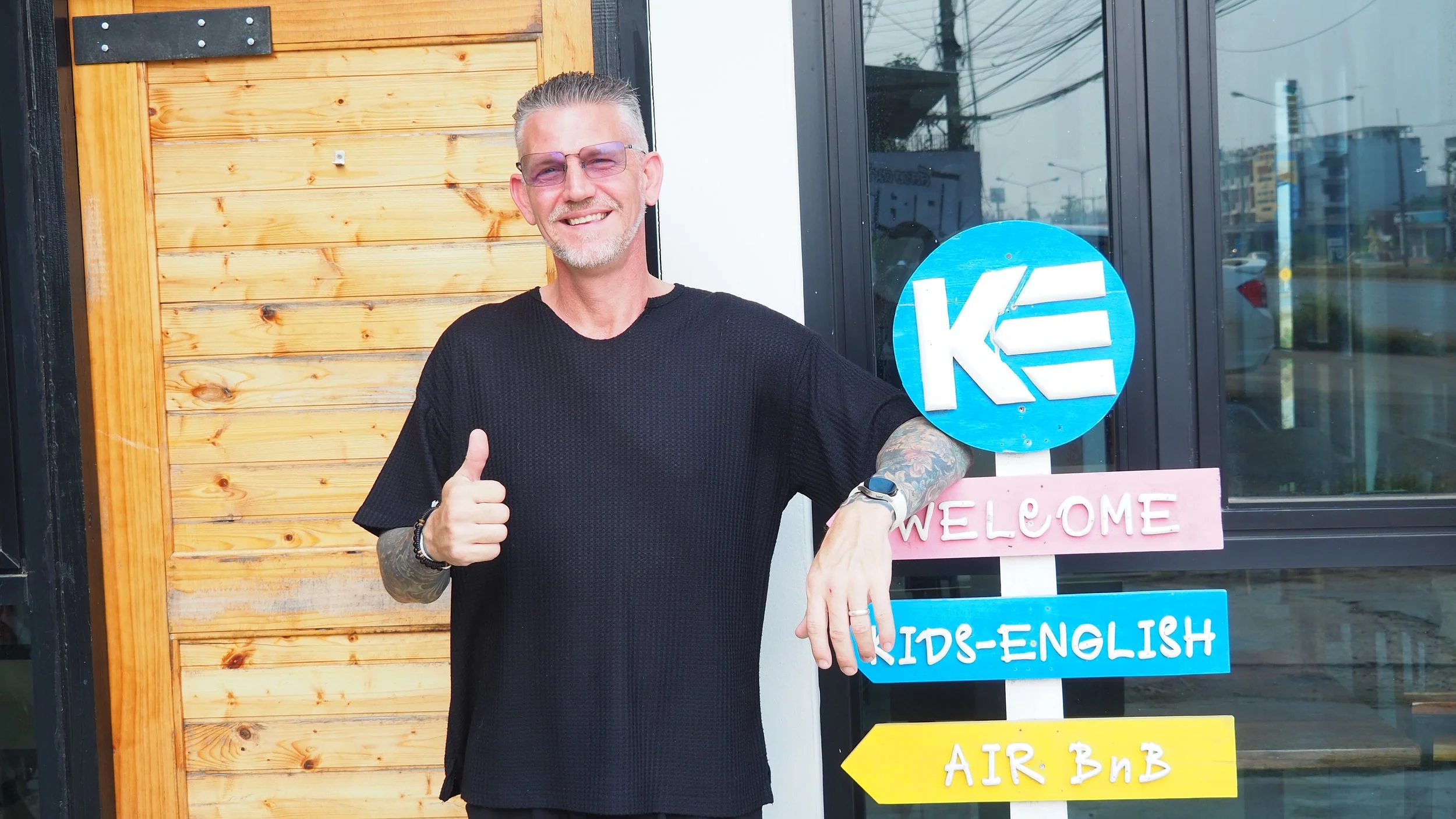
Written by Matthew John
Co-Founder & Operations Manager : 20 Years in ThailandMatthew John is the co-founder of Kids English Thailand (KET) and has spent 20 years guiding foreign educators through school placements, campus routines, and everyday cultural settling across Northern Thailand. He lives in Sukhothai with his family.
