
Thailand October School Holiday Guide — KET
Thailand October School Holiday Guide 🌴
After 20 years living in Thailand and guiding foreign educators across school districts, I have come to appreciate the gentle rhythm of the Thai academic year. Understanding term dates, the October mid-year recess, and public holidays is essential for organizing both classroom lessons and personal travel.
Thai government schools operate on a two-semester calendar overseen by the Ministry of Education. Semester 1 runs from mid-May to early October, followed by a mid-year recess of about two to three weeks in October. Semester 2 runs from early November to late February or early March, leading into the longer hot-season holiday between March and mid-May. National public holidays provide additional days off throughout the year, with substitution Mondays applied when a holiday hits a weekend. If you teach on a one-semester placement, October marks a natural conclusion and reset point. Always check with your school before booking holiday flights, as some campuses run short English camps or training days during the break.
01: The Rhythm of the Thai School Year
An academic cycle aligned with tropical weather, cultural festivals, and community life.
"Over 20 years coordinating foreign teachers across Thailand, I have found that adapting to the local school schedule brings peace of mind. Western school years usually run August to June, but Thailand's calendar is designed around its climate and agricultural seasons. Once you understand the two terms and the October transition, planning your semester becomes second nature."Matthew John : KET Operations Manager & 20-Year Veteran
Monsoon Season Start 🌧️
The academic year opens in mid-May as the monsoon rains begin to cool the country. Fields turn green, morning temperatures become comfortable, and schools across every province welcome students for Term 1.
Hot Season Summer ☀️
The main annual break spans several weeks between March and mid-May. This recess protects students and staff from the most intense tropical heat and encompasses Songkran, the traditional Thai New Year.
Mid-Year Reset 🍂
The October holiday provides roughly two to three weeks of rest between semesters. It offers teachers an ideal opportunity to review curriculum goals, complete grade reports, and explore Thailand.
02: The Two-Semester System & Academic Dates
How Thai government schools divide the teaching year into two focused halves.
Semester 1 (Mid-May to Early October)
Classes commence around May 15 to 18 following orientation. Students wear standard school uniforms and study core subjects alongside conversational English. Final examinations for Term 1 conclude in late September or the first week of October.
Semester 2 (Early November to Late Feb/March)
Term 2 resumes in early November during the cooler dry season. School calendars fill with athletic sports days, cultural shows, and final assessments, wrapping up by late February for primary levels and early March for secondary schools.
Local Variations Exist
While the Ministry of Education outlines general framework dates, individual schools and provincial educational zones retain autonomy. Always request your school's specific academic calendar from your head of department.
03: The October Break: Rest, Camps & Travel
What foreign educators can realistically expect during the mid-year recess.
✈️ Travel and Exploring Southeast Asia
The two-to-three-week October break is a favored time for foreign educators to explore Thailand without classroom commitments. Teachers frequently visit coastal islands, travel to the northern mountains, or take brief trips to regional destinations like Vietnam or Malaysia.
Opportunity: Domestic Travel & Rest📋 Check School Obligations First
Before booking non-refundable flights, always confirm exact vacation dates with your Thai co-teacher or school administrator. Certain campuses organize short intensive English camps, student tutoring sessions, or grading workshops during the first week of October.
Rule: Confirm Approval in Advance🔄 One-Semester Placements and October Resets
Many teachers working on a single-term basis with Kids English Thailand complete their contracts at the end of September or early October. For these educators, October provides a natural transition point to extend their stay, travel leisurely, or transition to a second semester contract for November. Learn more about one-semester teaching placements in Thailand.
For teachers continuing into Semester 2, October serves as a peaceful time to catch up on personal administration, renew teaching supplies, and recharge energy before classes restart in November.
04: Public Holidays & Calendar Differences
How national holidays, substitution Mondays, and school classifications operate.
Substitution Mondays
Thailand regularly awards compensatory days off. When an official public holiday lands on a Saturday or Sunday, the government schedules the following Monday as an official day off, giving teachers pleasant three-day weekends throughout the semester.
National Holiday Alignment
Public holidays include royal commemorations and sacred Buddhist observances such as Asalha Puja and King Chulalongkorn Day in October. Check the official annual government gazette each year, as exact festival dates and additional special holidays adjust periodically. Read more in our guide on festivals in Thailand.
International School Differences
Do not confuse Thai government school schedules with international academies. International schools typically operate on Western models from August to June, taking major breaks in December and July. If you teach in a Thai government or bilingual school, your rhythm follows the May-to-March cycle.
Frequently Asked Questions.
01. What is the academic calendar for Thai government schools?
Thai government schools follow a two-semester academic calendar. Semester 1 runs from roughly mid-May to early October, followed by a mid-year break. Semester 2 begins in early November and concludes in late February or early March, leading into the long hot-season summer holiday.
02. How long is the October school break and when does it occur?
The October break generally lasts about two to three weeks between the end of Semester 1 and the start of Semester 2. Exact start and finish dates vary slightly between provinces and individual schools depending on examination schedules.
03. Can foreign teachers travel during the October school holiday?
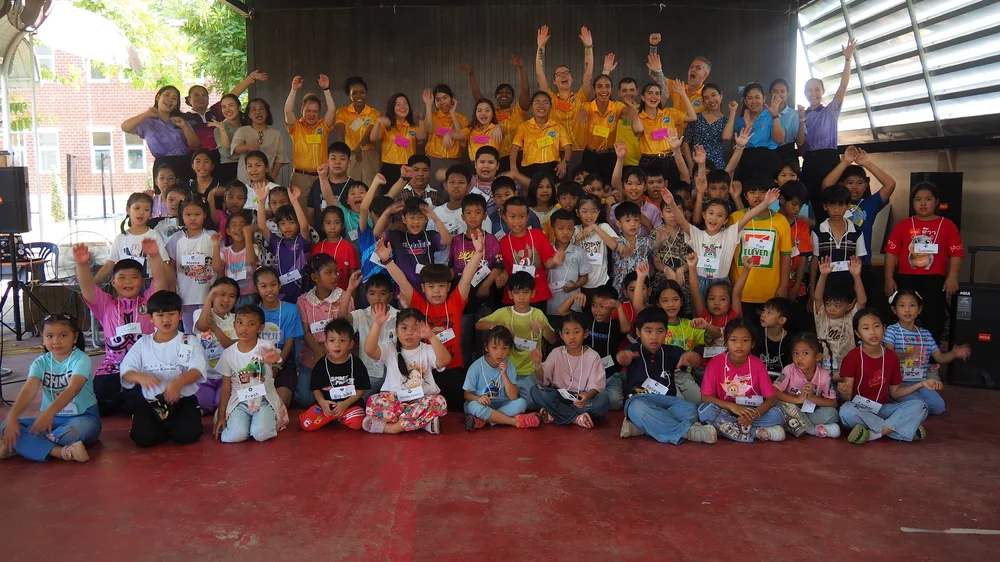
Yes, many teachers use this window to travel domestically or visit neighboring countries. However, always consult your school administration and co-teachers before booking flights, as some schools organize short English camps, grading sessions, or curriculum workshops during part of the recess.
04. How do international school schedules differ from Thai government schools?
International schools in Thailand typically follow Western academic calendars (such as American or British schedules), operating from August to June with major breaks in December and July. Government and many private bilingual schools follow the traditional May-to-March Thai cycle.
05. What happens when a national public holiday falls on a weekend in Thailand?
When an official public holiday lands on a Saturday or Sunday, the Thai government designates the following Monday as a compensatory substitution day off. Government offices, bank branches, and schools remain closed on that replacement day.

Matthew John
Co-Founder & Operations Manager : 20-Year VeteranMatthew John is the co-founder of Kids English Thailand (KET) with 20 years of continuous on-the-ground experience in Thai educational management. Matthew coordinates teacher orientations, school placements, and semester transitions for educators across Sukhothai, Phitsanulok, and nationwide.
